Pura Vida: Understanding Costa Rica’s Beautiful Culture and Way of Life
If you’ve ever met someone from Costa Rica, chances are you’ve heard two words that capture an entire worldview: Pura Vida. Literally translated as “pure life,” this phrase is so much more than a greeting. It’s a philosophy, a way of being, and the beating heart of Costa Rican culture.
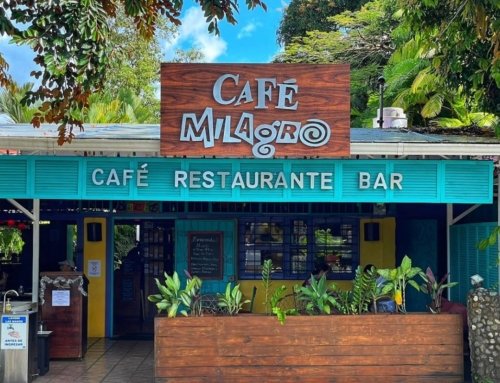
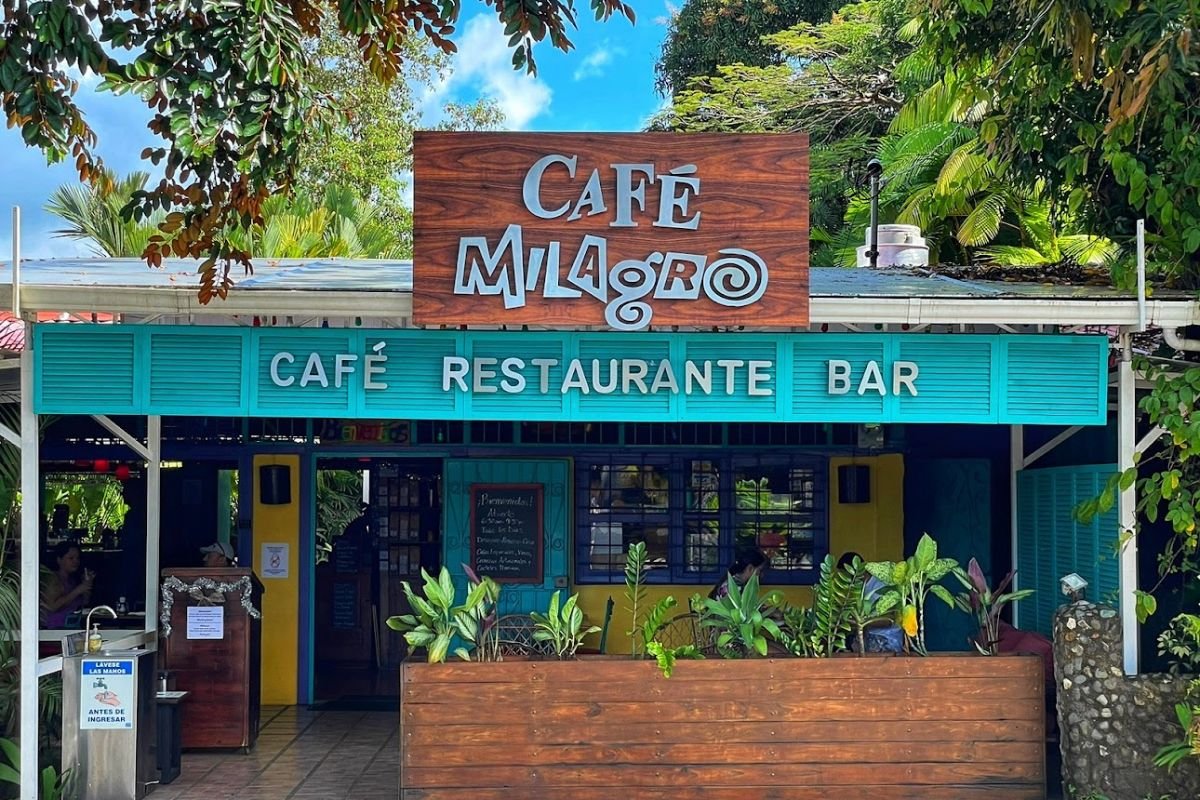
At Cafe Milagro, we believe that understanding the culture behind the cuisine makes every meal more meaningful. So let’s take a journey into what makes Costa Rica—and its people—so wonderfully unique.
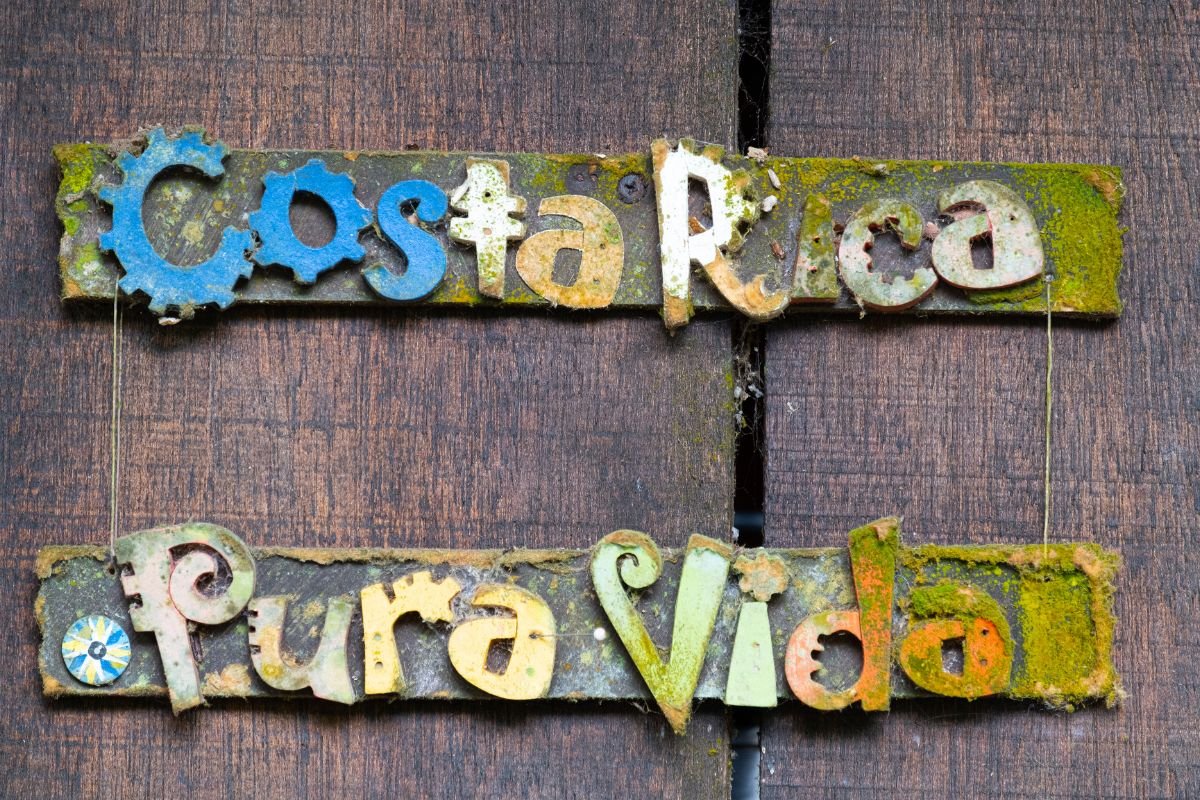
What Does Pura Vida Really Mean?
Walk through any town in Costa Rica, and you’ll hear “Pura Vida” dozens of times a day. Someone asks how you’re doing? Pura Vida. You want to say thank you? Pura Vida. Life throws you a curveball? Take a breath and remember: Pura Vida.
This isn’t just optimism—it’s a deliberate choice to embrace simplicity, gratitude, and the present moment. Costa Ricans, who affectionately call themselves Ticos (or Ticas for women), have built their national identity around this idea. Studies consistently rank Costa Rica among the happiest countries in the world, and the Pura Vida mindset has a lot to do with it.
For visitors, embracing Pura Vida means slowing down. It means savoring your morning coffee instead of rushing through it. It means lingering at the table after a meal, talking with friends as the afternoon stretches into evening.
The Art of Costa Rican Hospitality
Costa Ricans are known for their warmth and generosity toward guests. This tradition runs deep—historically, travelers in rural areas could expect to be welcomed into homes and offered a meal, no questions asked. That spirit of openness still defines the culture today.
When you visit a Costa Rican home, don’t be surprised if you’re immediately offered coffee and something to eat. Refusing can actually be considered impolite! This hospitality extends to how Ticos interact with strangers in general: expect genuine smiles, helpful directions, and conversations that feel unhurried and sincere.
This welcoming nature is something we try to honor at Cafe Milagro. A great meal isn’t just about what’s on your plate—it’s about feeling at home, feeling seen, and leaving a little happier than when you arrived.
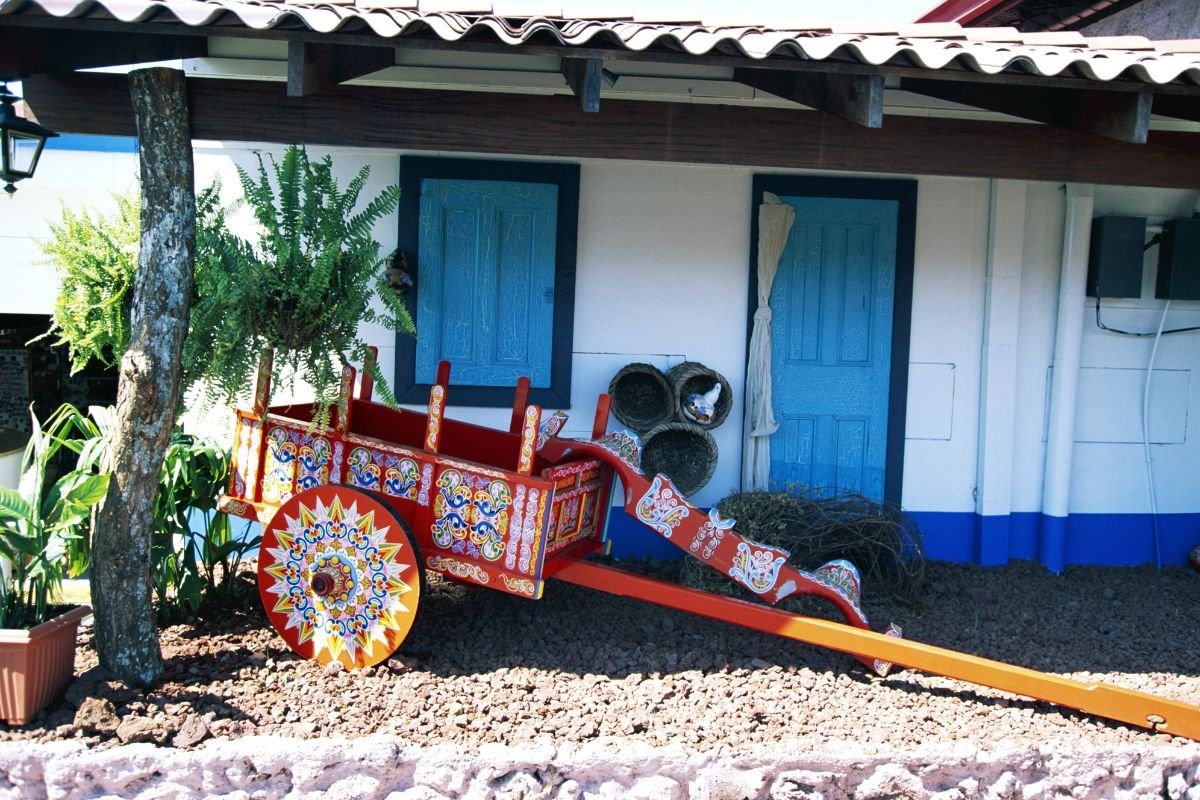
Family and Community: The Foundation of Tico Life
In Costa Rica, family is everything. Multi-generational households are common, and Sunday gatherings with extended relatives are a cherished tradition. These aren’t formal affairs—they’re joyful, noisy, food-filled celebrations where everyone from grandparents to toddlers gathers around the table.
This sense of community extends beyond blood relations. Neighbors look out for each other, and there’s a collective understanding that we’re all in this together. Costa Rica abolished its military in 1948 and redirected those resources toward education and healthcare—a decision that reflects the national commitment to peace and social wellbeing.
The result? A society where people genuinely care about one another, where children play in the streets until sunset, and where the pace of life leaves room for connection.
Costa Rican Food: Where Culture Meets the Kitchen
No exploration of Costa Rican culture is complete without talking about food. Tico cuisine is comfort food at its finest—hearty, flavorful, and made with love.
Coffee: More Than a Beverage
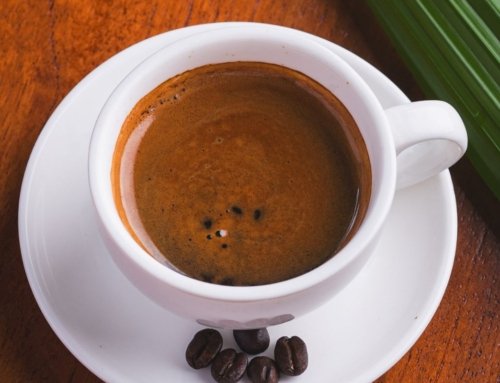
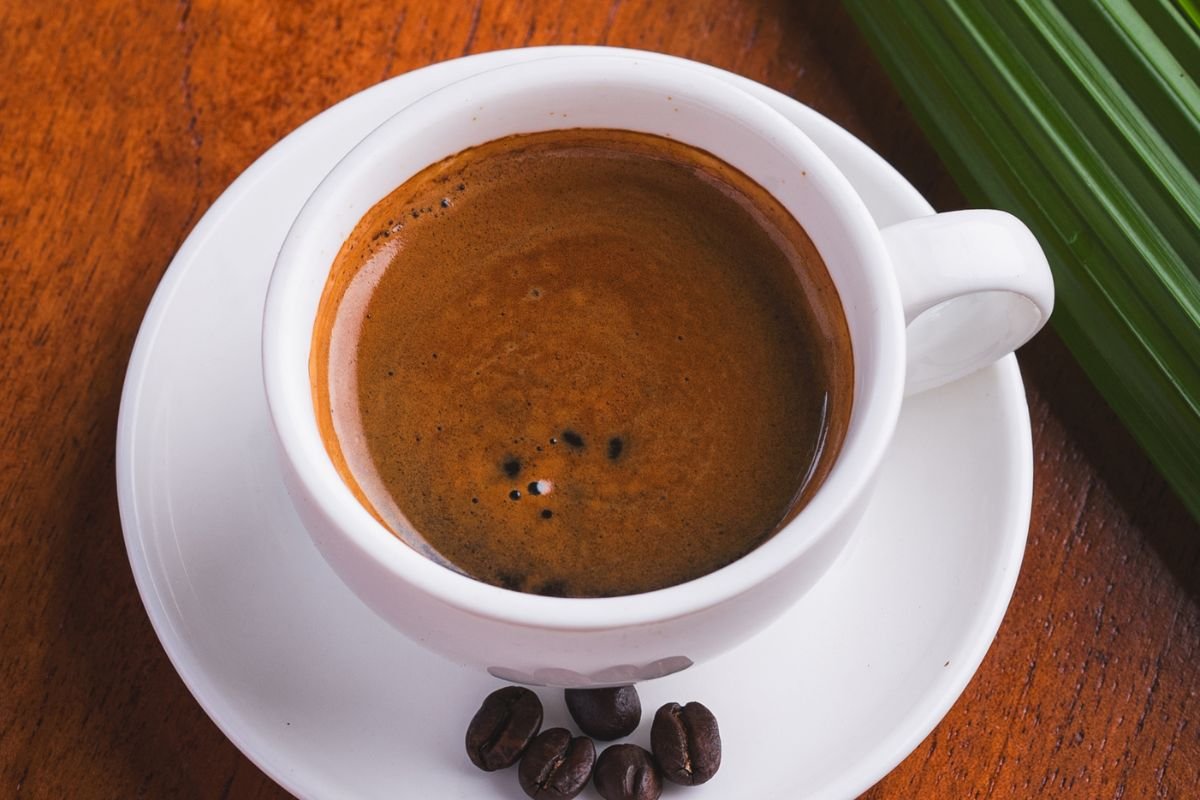
Costa Rica produces some of the world’s finest coffee, and coffee culture here is both an art and a social ritual. The volcanic soil and high-altitude growing conditions create beans with exceptional flavor profiles—bright, clean, and often with notes of citrus or chocolate.
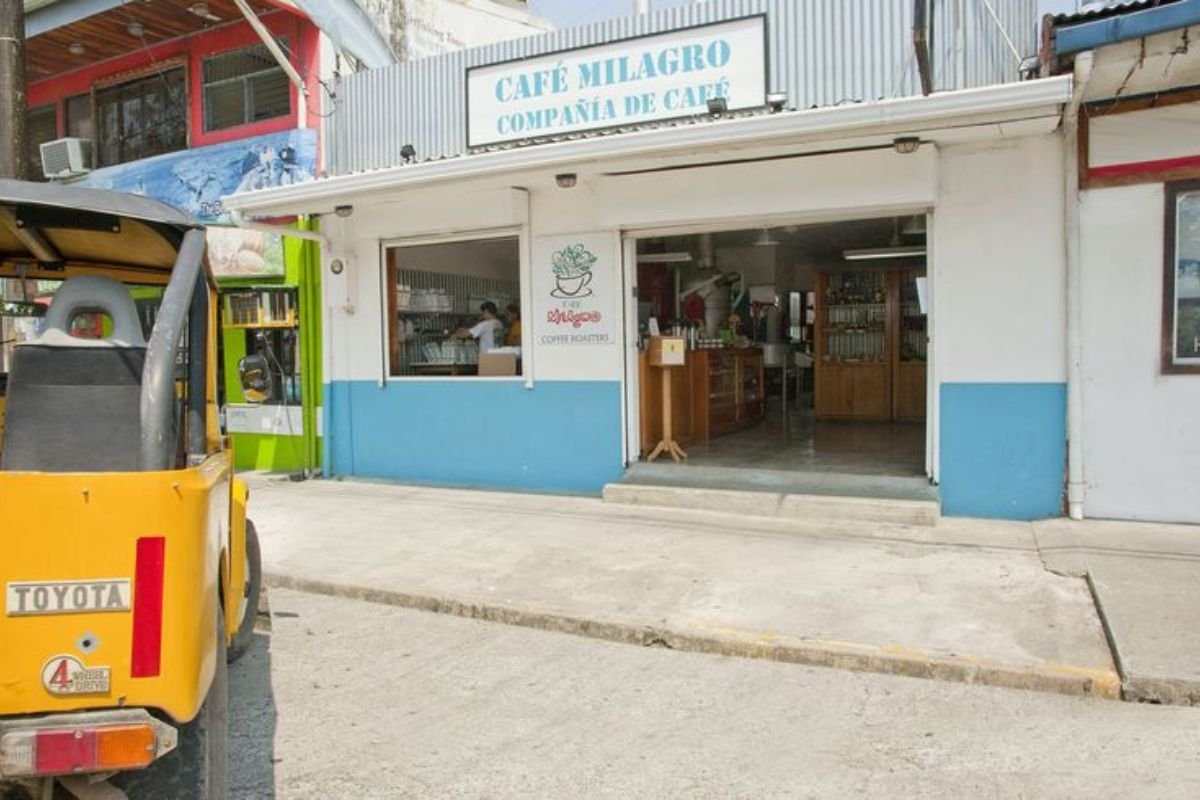
At Cafe Milagro, we’ve dedicated ourselves to this tradition since 1994, roasting Costa Rica’s finest coffees at our roaster in downtown Quepos. For three decades, we’ve built relationships with select farmers from across the country—from the misty slopes of Tarrazú to the rich volcanic soils of the Central Valley—who share our commitment to sustainability and fair wage practices.
Every bag of Cafe Milagro coffee tells a story of craftsmanship and community. We believe exceptional coffee starts with farmers who are paid fairly for their expertise and who steward their land for future generations. That philosophy shapes everything we do.
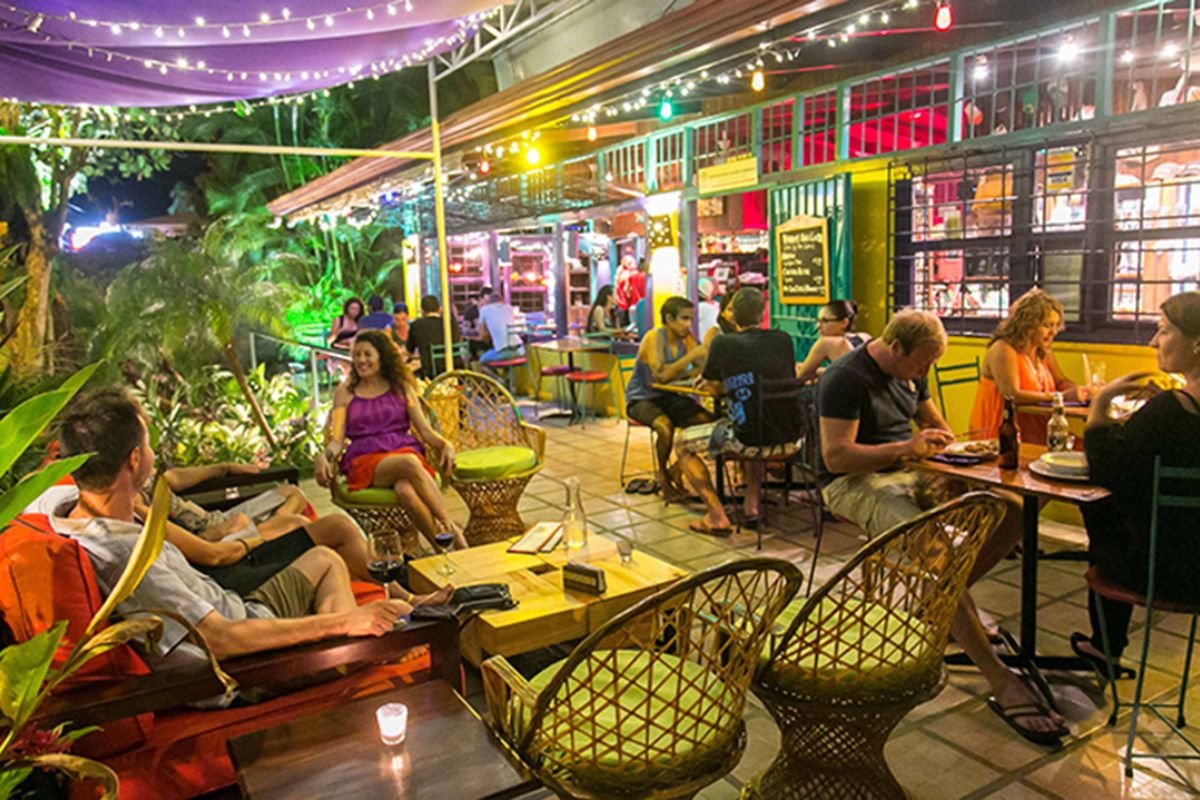
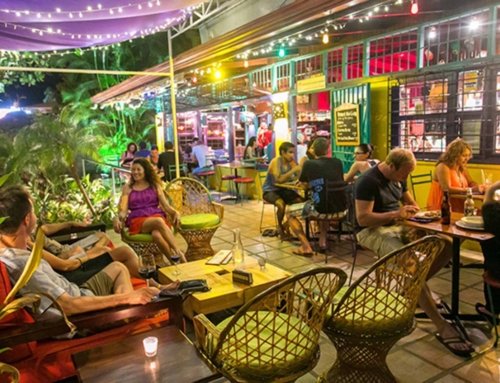
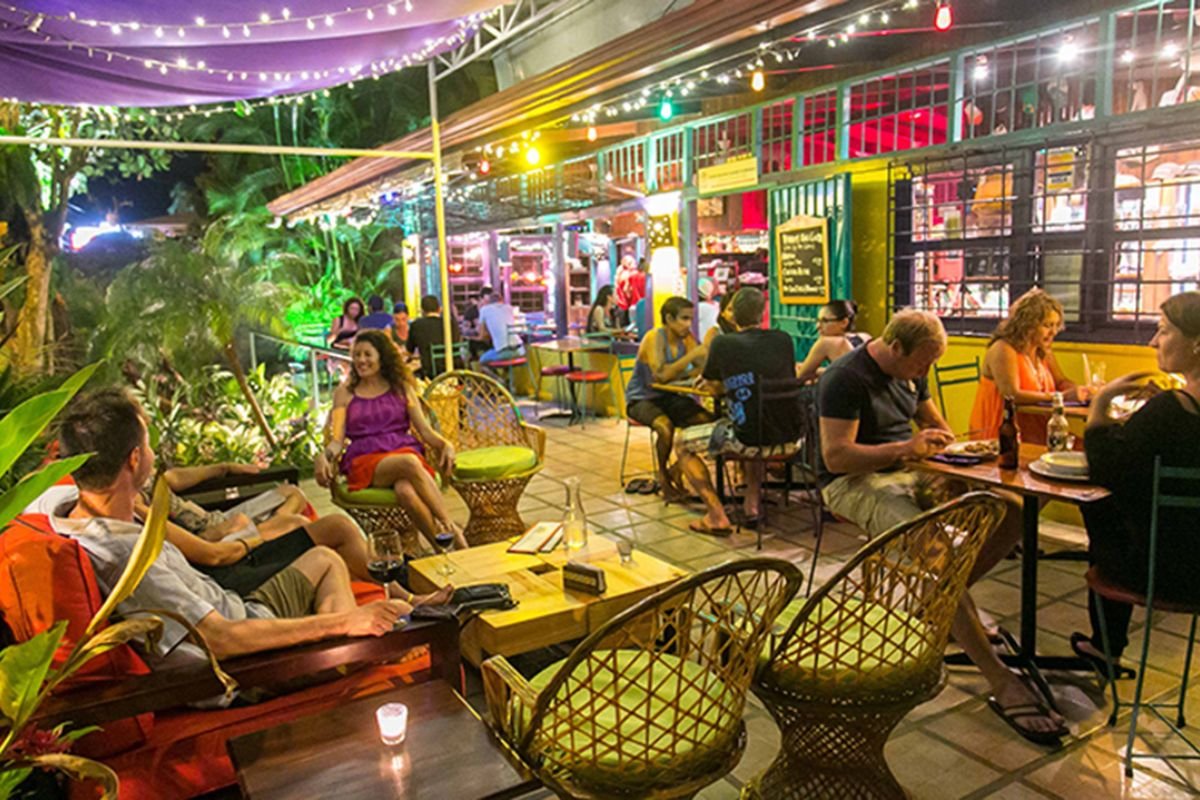
You can experience these coffees at El Patio de Cafe Milagro in the heart of Manuel Antonio, where the aroma of fresh-roasted coffee mingles with the sounds of the jungle, or at our roaster itself in downtown Quepos. Whether you’re starting your day with a perfectly pulled espresso or lingering over an afternoon cafecito, you’re tasting thirty years of passion for Costa Rican coffee culture.
Gallo Pinto: The National Treasure
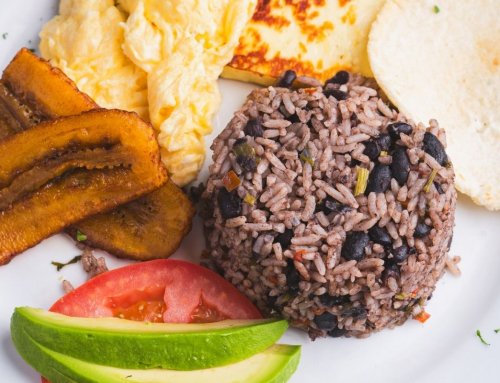
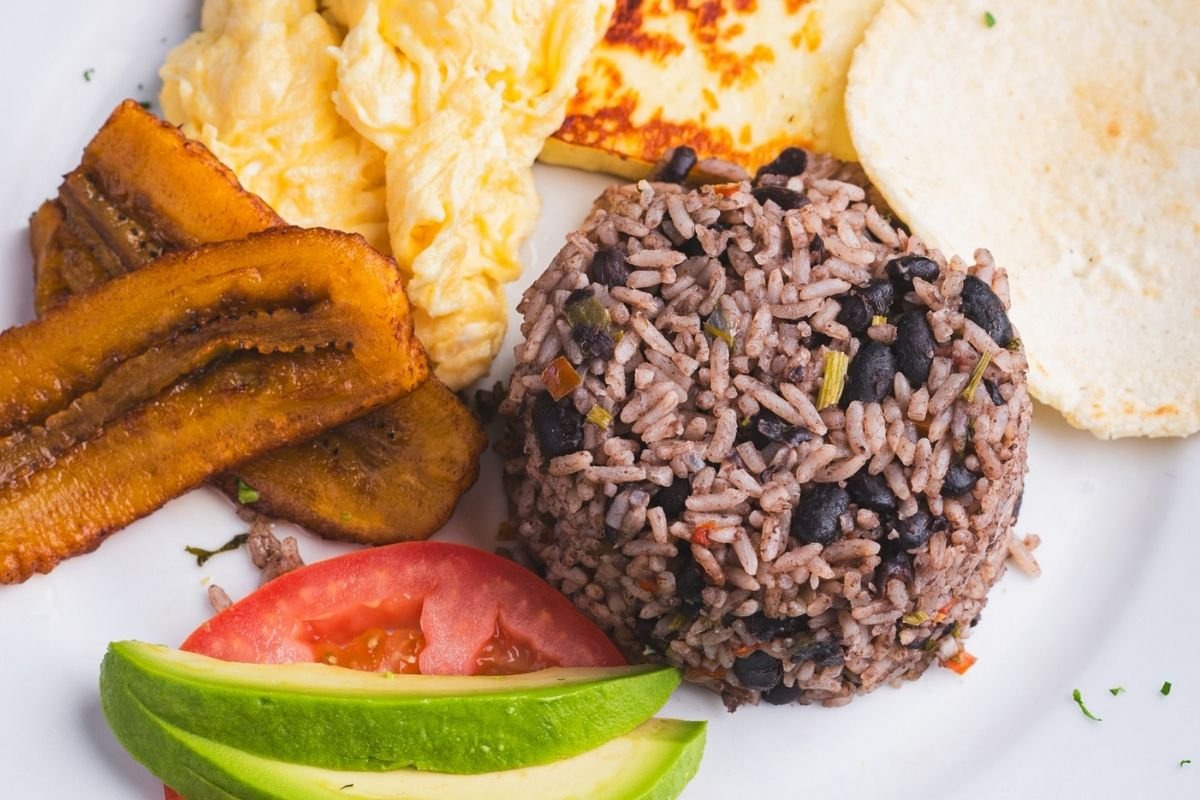
Every country has its signature dish, and for Costa Rica, it’s gallo pinto. This simple combination of rice and black beans, sautéed with onions, peppers, and the magical ingredient Salsa Lizano, appears at breakfast tables across the nation every single morning. The name translates to “spotted rooster,” referring to the speckled appearance of the rice-and-bean mixture.
What makes gallo pinto special isn’t complexity—it’s comfort. It’s the dish that reminds Ticos of home, no matter where they are in the world.
Casado: A Plate That Tells a Story
The casado (meaning “married man”) is Costa Rica’s quintessential lunch. Legend has it that working men would request a meal “like what my wife would make,” and thus the casado was born. A typical plate includes rice, black beans, fried plantains, salad, and your choice of protein—chicken, fish, beef, or pork.
Nature as a Way of Life
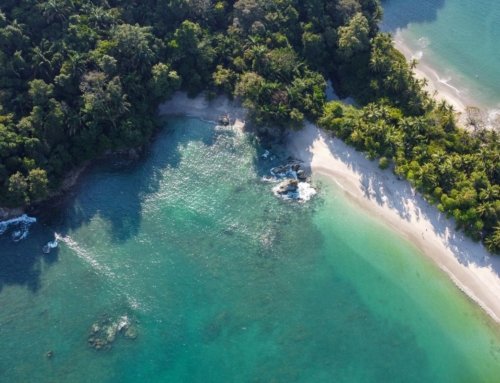
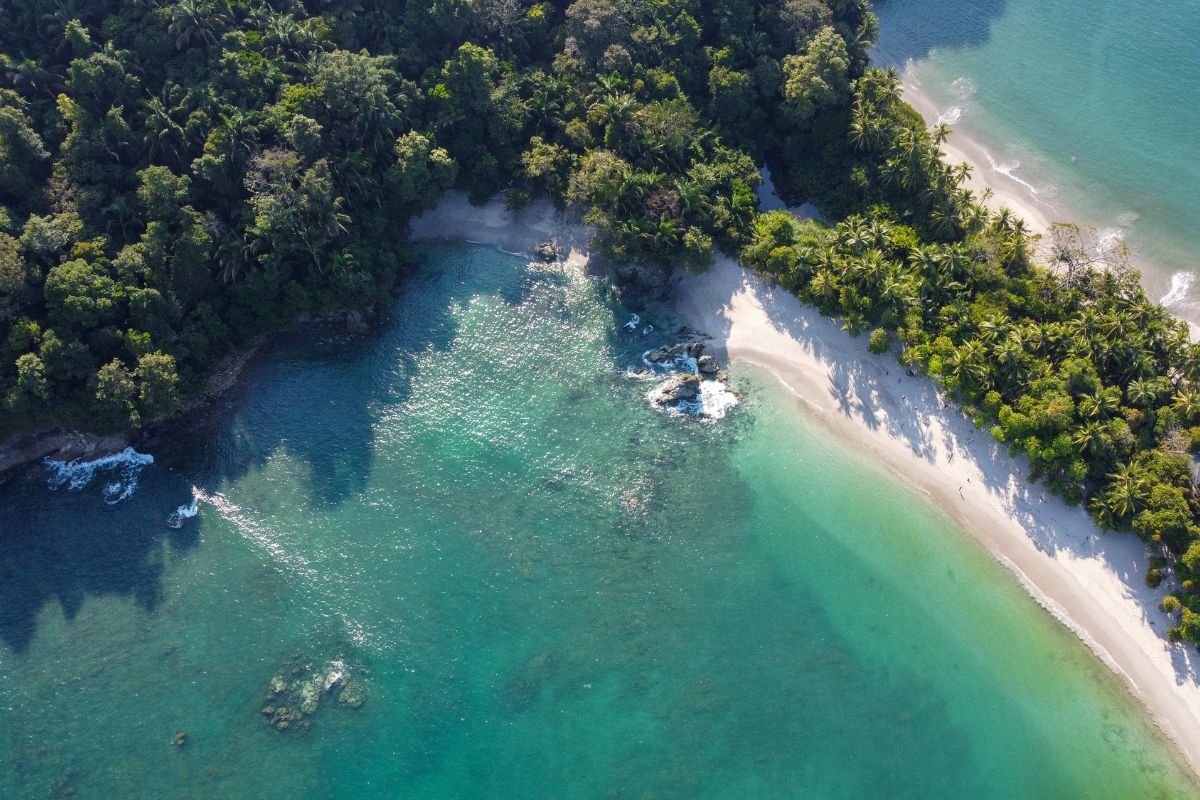
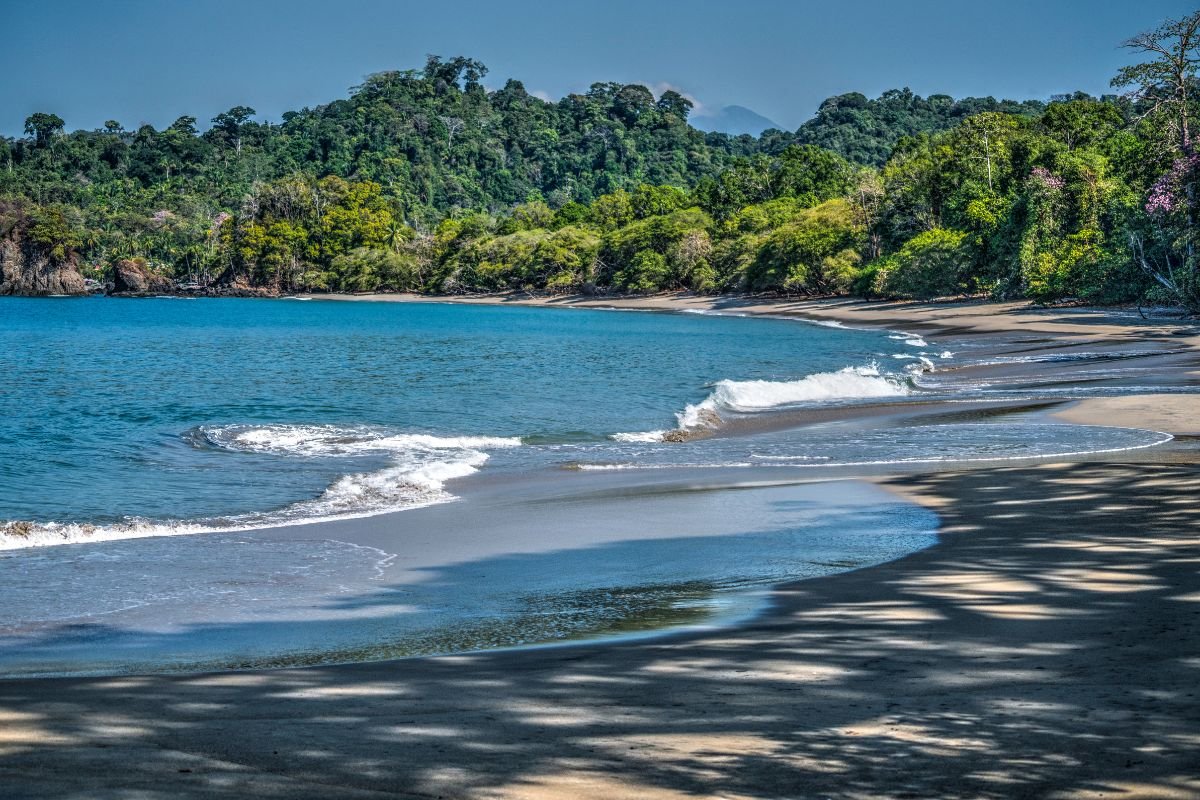
Costa Rica may be small—roughly the size of West Virginia—but it contains nearly 6% of the world’s biodiversity. This remarkable natural wealth isn’t just a tourist attraction; it’s woven into the fabric of daily life.
Ticos grow up with monkeys in their backyards, toucans in their trees, and sea turtles nesting on their beaches. This proximity to nature cultivates a deep environmental consciousness. Costa Rica generates over 98% of its electricity from renewable sources and has committed to becoming carbon neutral.
For Costa Ricans, protecting the environment isn’t a political issue—it’s common sense. The land provides everything: food, water, beauty, and livelihood. Caring for it is simply part of being a good neighbor.
Celebrating Life: Festivals and Traditions
Costa Ricans know how to celebrate. Throughout the year, towns come alive with festivals that blend indigenous traditions, Spanish colonial heritage, and modern revelry.
The Fiestas Palmares in January draws hundreds of thousands of visitors for two weeks of live music, bullfighting (Tico-style, where the bull is never harmed), and general merriment. Día de Juan Santamaría in April honors Costa Rica’s national hero with parades and patriotic celebrations. And of course, Christmas and Easter bring their own beloved traditions, including tamales wrapped in banana leaves and elaborate neighborhood topes (horse parades).
These celebrations remind us that life is meant to be enjoyed, shared, and savored—a very Pura Vida perspective.
Music, Dance, and the Costa Rican Soul
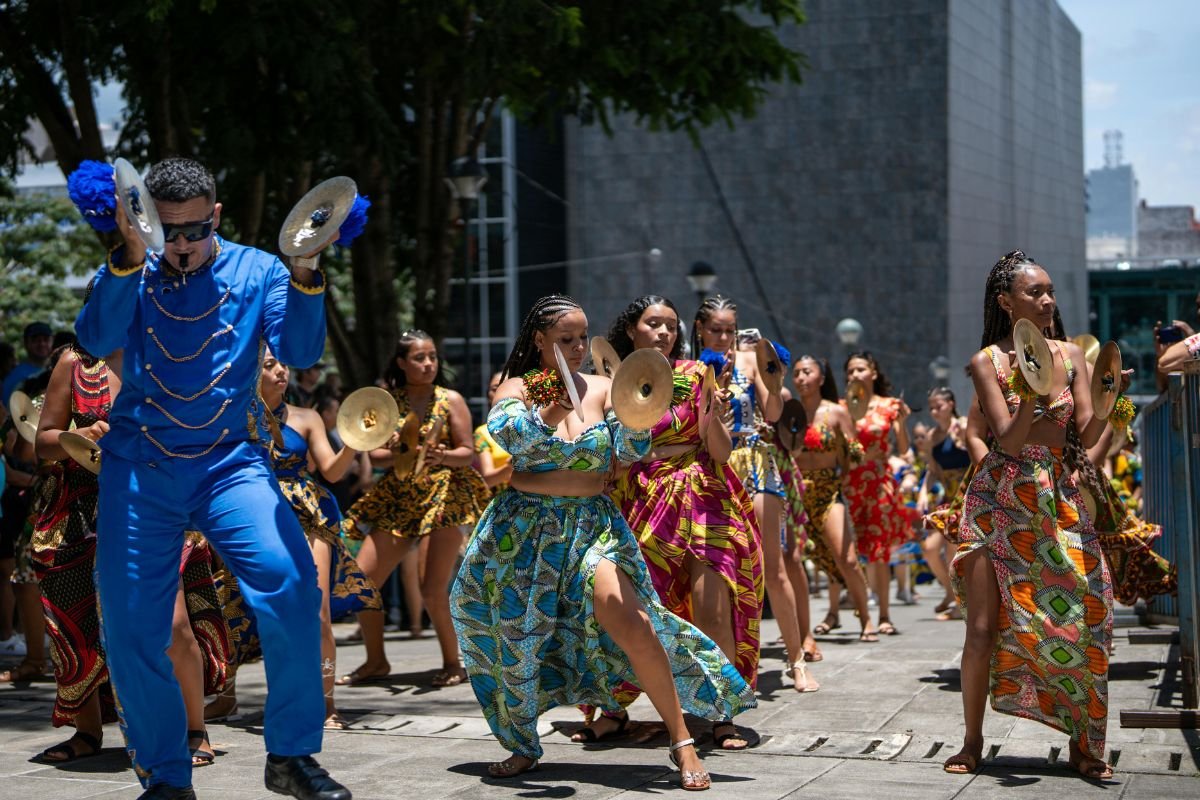
Music pulses through Costa Rican culture. Traditional folk music features the marimba (a wooden xylophone-like instrument) accompanied by guitars and the quijongo (a single-string bow instrument). These sounds evoke the countryside, the mountains, and generations of Tico storytelling.
In recent decades, Costa Rica has also embraced reggaeton, salsa, cumbia, and rock. Drive through any town on a Friday night, and you’ll hear music spilling from homes, bars, and plazas. Dancing isn’t reserved for special occasions—it’s just what you do when a good song comes on.
Bringing Costa Rica to Your Table
At El Patio de Cafe Milagro, we see ourselves as cultural ambassadors. Every dish we serve carries the spirit of Costa Rica: the warmth of Tico hospitality, the freshness of ingredients from volcanic soils, and the belief that meals are meant to be lingered over, shared, and celebrated.
When you join us for breakfast and taste gallo pinto made from scratch, or when you sip coffee grown in the misty highlands of Costa Rica’s Central Valley, you’re experiencing more than just food. You’re connecting with a culture that values simplicity, community, and the pure joy of living well.
So the next time someone asks how you’re doing, try answering Pura Vida. You might be surprised how good it feels.
Come experience the flavors and warmth of Costa Rica at El Patio de Cafe Milagro. We can’t wait to welcome you.