
What Is Manuel Antonio, Costa Rica Like? Everything First-Time Visitors Need to Know
The Short Answer
Manuel Antonio is a small, vibrant coastal town on Costa Rica’s central Pacific coast, best known for Manuel Antonio National Park — one of the most biodiverse and visually stunning protected areas in Central America. Visitors come for the white-sand beaches inside and around the park, the extraordinary wildlife (sloths, monkeys, toucans, and more visible in their natural habitat), the warm Pacific waters, and a dining and hospitality scene that punches well above the town’s modest size. It is not a party destination or a large resort town — it is a place of extraordinary natural beauty, thoughtful tourism infrastructure, and a community that has been welcoming visitors with genuine Costa Rican warmth for decades.
After thirty years of operating Cafe Milagro in Manuel Antonio, we know this town the way you can only know a place you’ve watched grow, change, and remain — at its core — consistently magnificent.
Where Is Manuel Antonio?
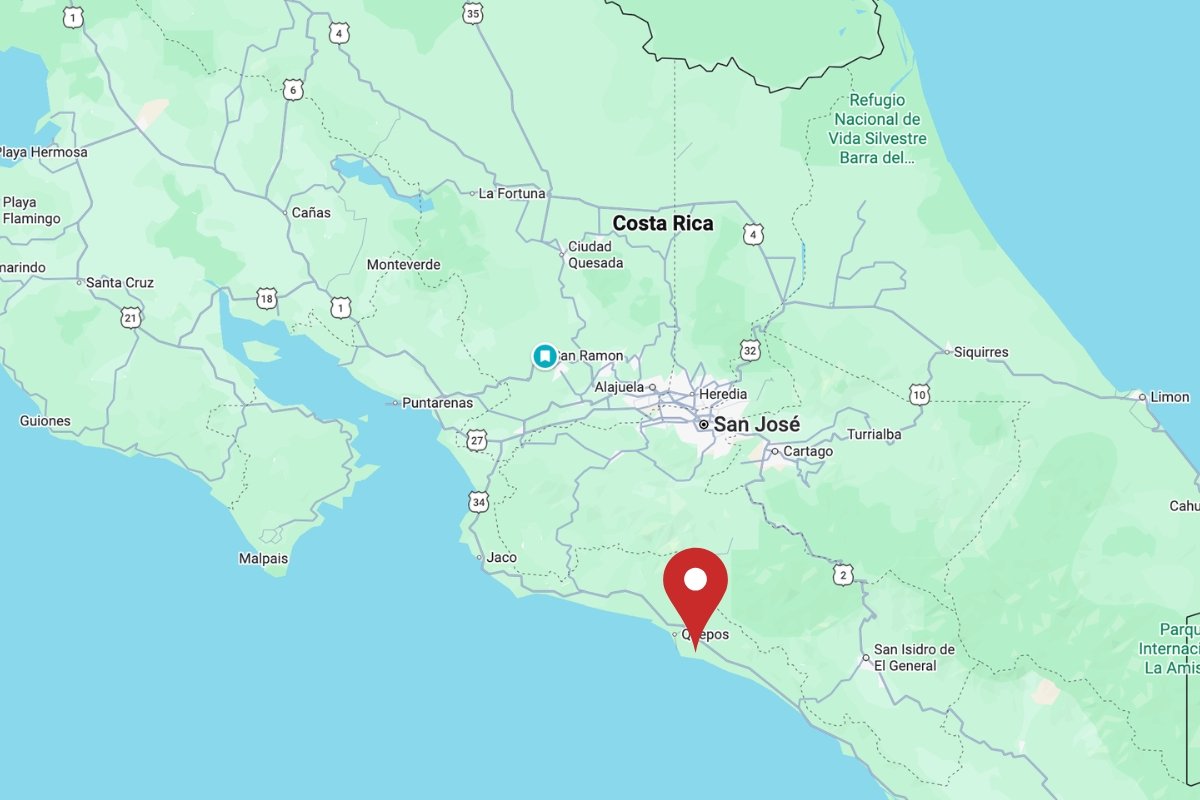
Manuel Antonio sits on the central Pacific coast of Costa Rica, approximately 180 kilometers southwest of San José. The nearest town is Quepos — a working fishing and market community just 7 kilometers to the north that serves as the practical hub for the area, with the bus terminal, airport, main market, and Cafe Milagro’s roastery all located there.
The drive from San José takes roughly three to three and a half hours by car on the main route through the central highlands and down to the coast, passing through dramatic mountain terrain before descending to the Pacific lowlands. The journey is itself part of the experience — the shift from highland temperature and vegetation to coastal heat and lushness happens over the course of an hour and is one of Costa Rica’s most dramatic geographical transitions.
A domestic airport in Quepos serves daily flights from San José on SANSA Airlines, cutting the journey to approximately 25 minutes for those who prefer to skip the mountain drive. The airport is small and the planes are propeller craft, but the service is reliable and the views during landing are spectacular.
The National Park — The Heart of Everything
Manuel Antonio National Park is the reason most visitors come, and it delivers completely.
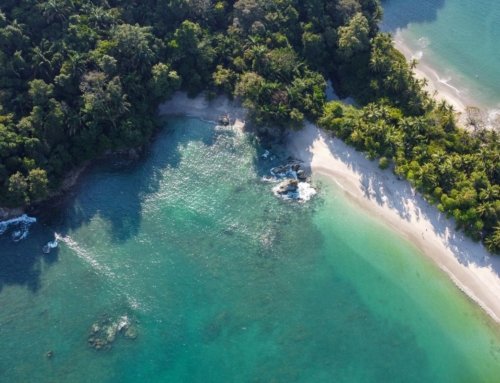
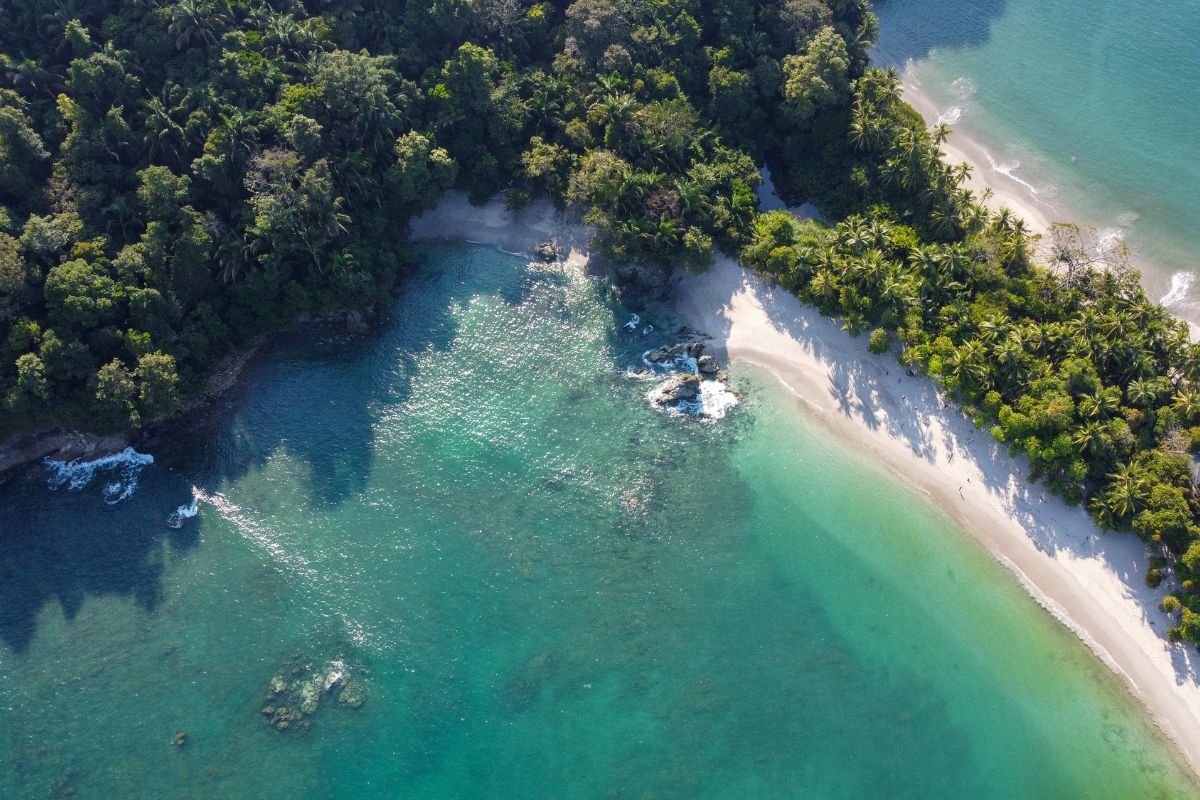
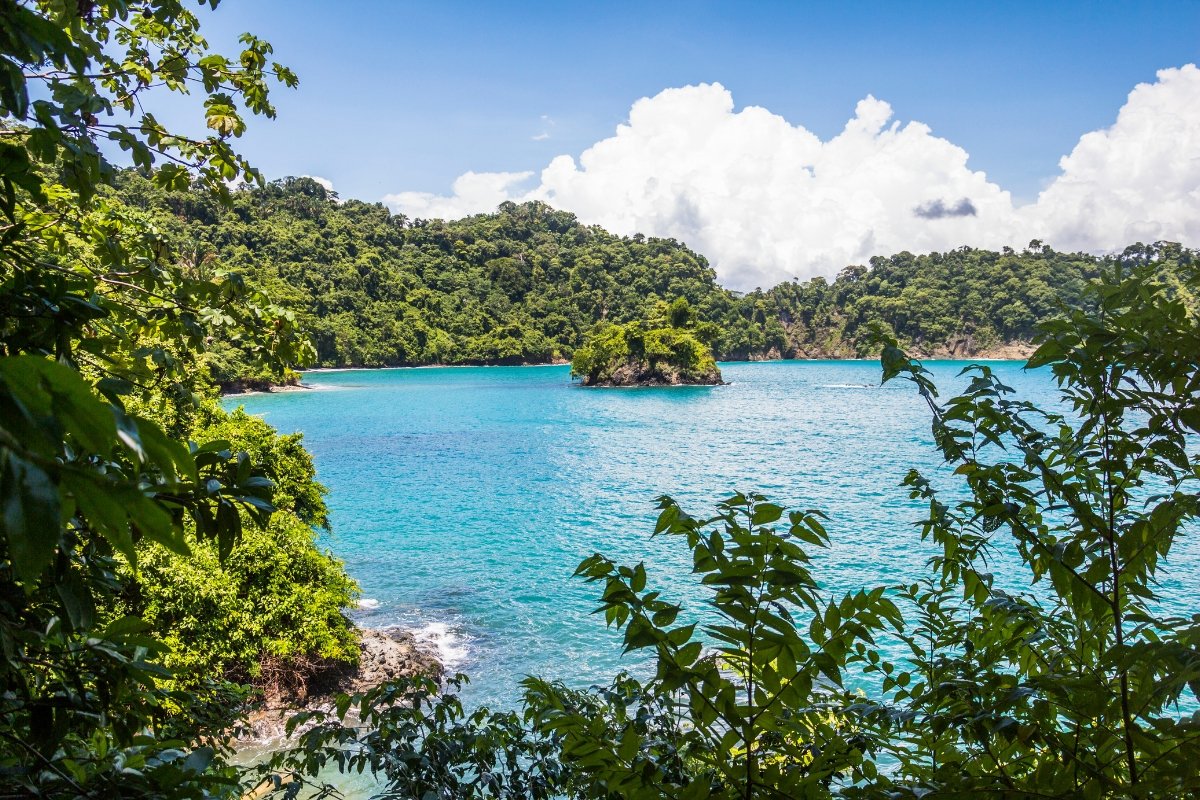
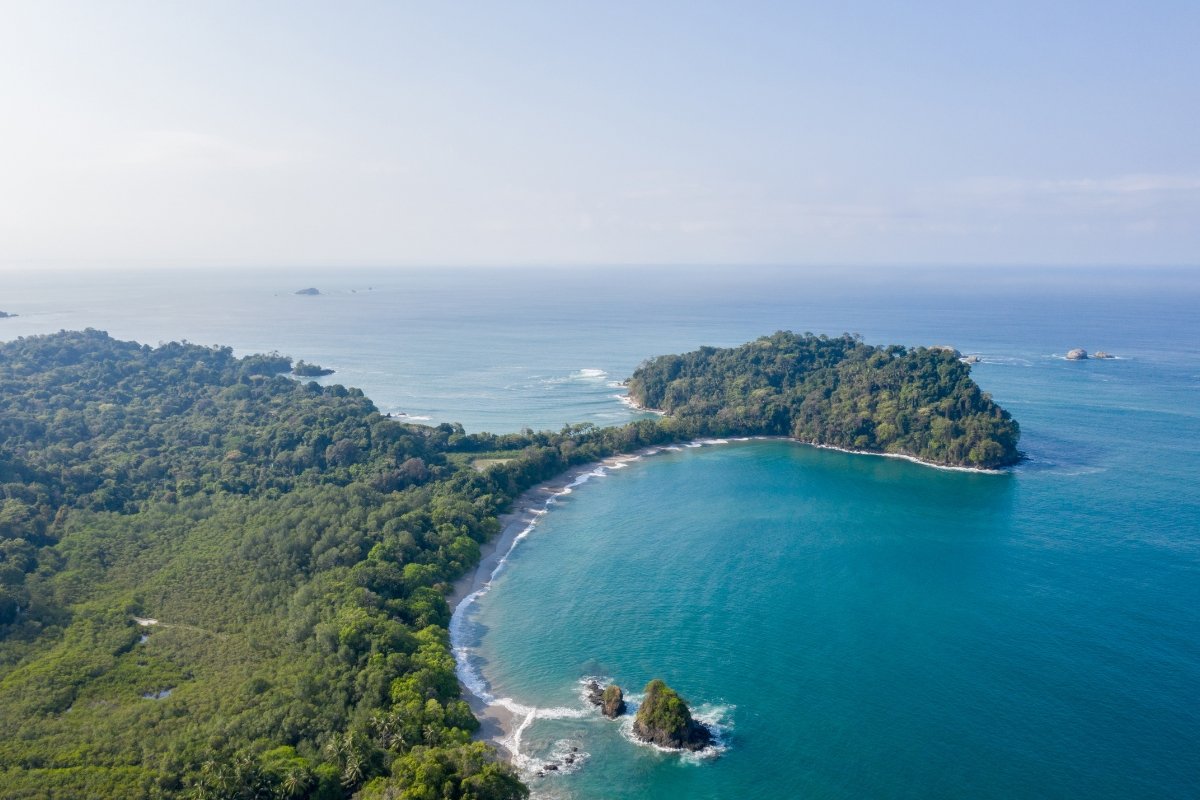
Established in 1972 and covering approximately 1,983 hectares of protected land and marine area, the park is Costa Rica’s smallest national park but consistently ranks among its most visited — a fact that speaks to the remarkable density of natural beauty and wildlife within its boundaries. It encompasses four white-sand beaches, coral reef, rainforest, wetlands, and coastal cliffs, all accessible on a network of well-maintained trails that range from easy beachside walks to moderately challenging forest hikes.
The Wildlife
The wildlife in Manuel Antonio National Park is what makes it categorically different from a beach destination with good scenery. This is not wildlife that requires luck, patience, or specialized knowledge to encounter. It is wildlife that is present, visible, and astonishing.
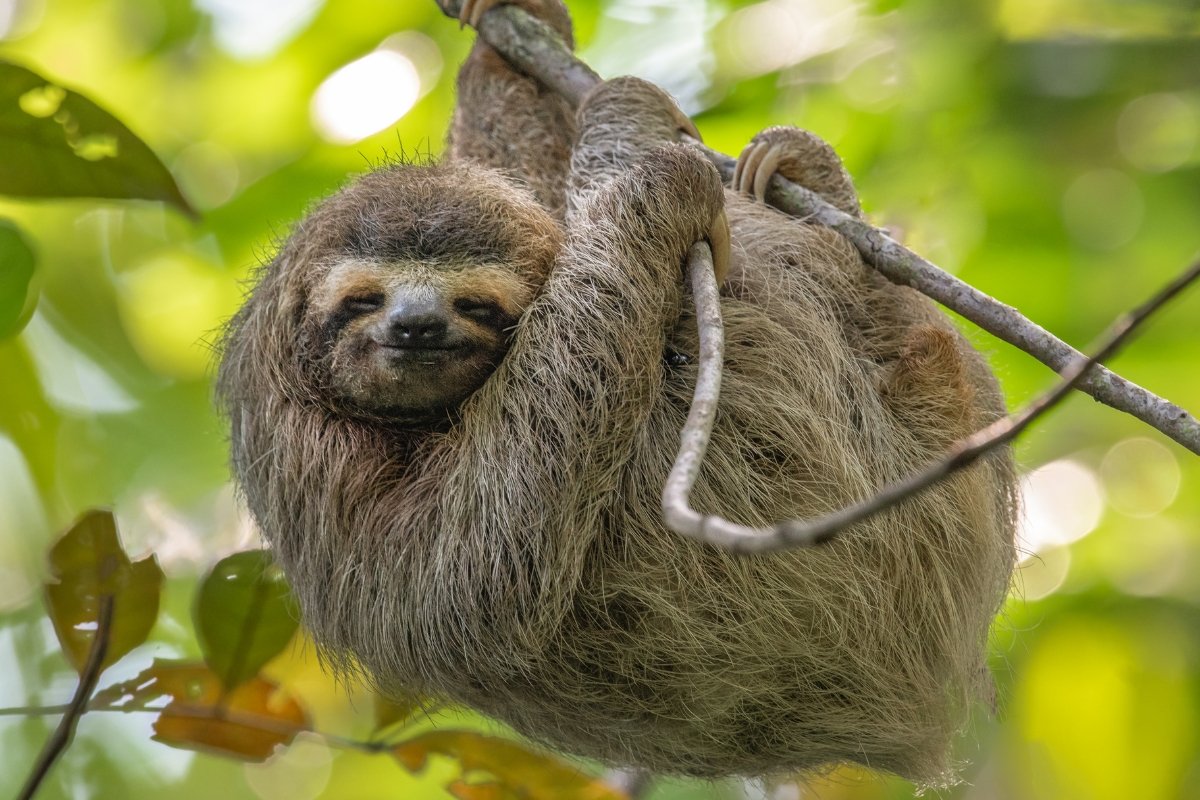
Three-toed and two-toed sloths drape themselves over cecropia trees along virtually every trail, visible from the path below to anyone who knows to look up into the canopy. A good naturalist guide — and hiring one at the park entrance is strongly recommended — will spot animals that even experienced visitors walk directly past.
White-faced capuchin monkeys move through the park in family groups, sometimes at eye level on branches just meters from the trail. They are curious, intelligent, and occasionally audacious — keep your food secured and your camera ready. Squirrel monkeys, smaller and more frenetic, are endemic to the Pacific lowlands of Costa Rica and Panama and are a particular draw for wildlife photographers.
Mantled howler monkeys — the vocal giants of the Costa Rican forest — are heard before they are seen, their extraordinary calls carrying through the jungle like something between a lion’s roar and a weather event. Encountering a howler group in the canopy overhead is one of the genuinely memorable wildlife experiences available anywhere in Central America.
Beyond the headliners: white-nosed coatis, iguanas, Jesus Christ lizards (so named for their ability to run across water), poison dart frogs, over 350 species of birds including scarlet macaws and toucans, and the full diversity of a Pacific tropical rainforest operating at full biological intensity.
The Beaches
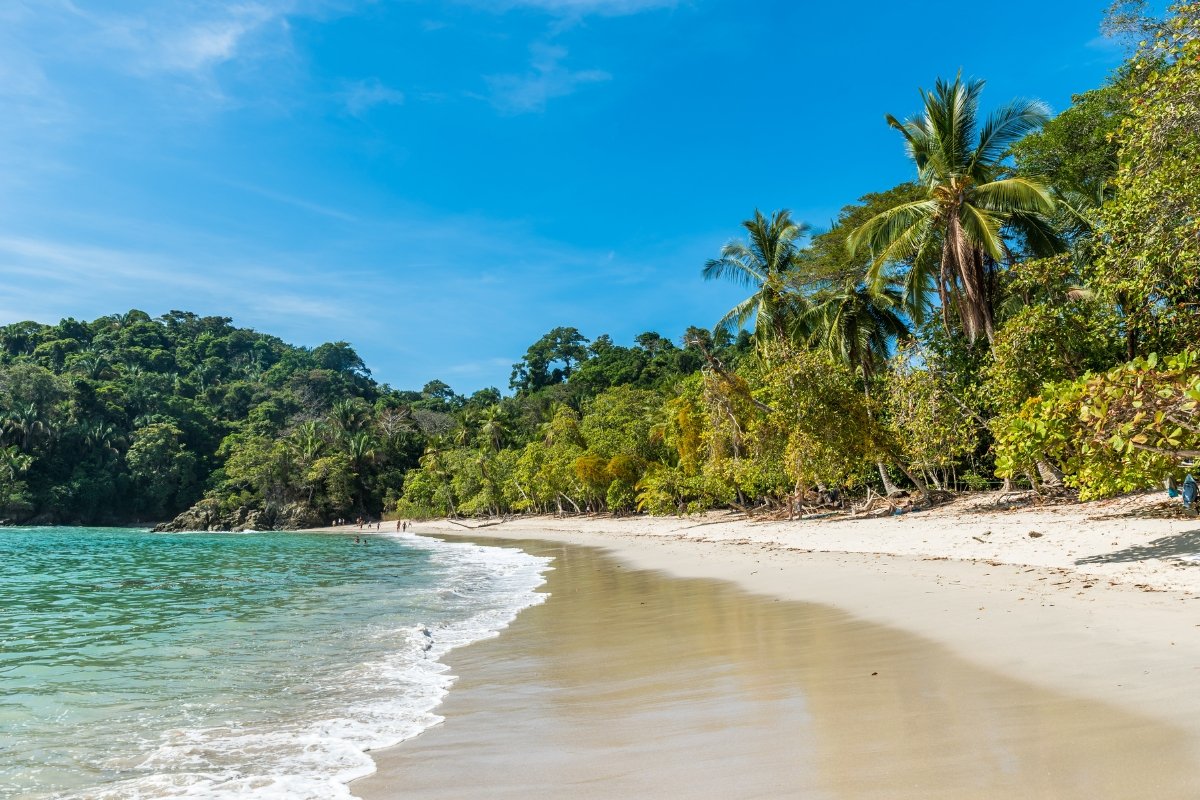
The beaches inside the park are among the most beautiful in Costa Rica — which, given the competition, is saying something. Playa Manuel Antonio is the park’s most popular beach: a protected crescent of white sand with calm, warm, turquoise water ideal for swimming. Playa Espadilla Sur and Playa Puerto Escondido offer quieter, more secluded alternatives for those willing to walk a little further.
Swimming conditions at park beaches are generally safe and calm relative to many Pacific coast locations, though currents and conditions vary. Always check with park rangers and respect posted warnings — the Pacific can change quickly.
Important practical note: The national park has a visitor capacity limit and sells tickets online in advance. In high season, the park can reach capacity by mid-morning. Book your park entry online at sinac.go.cr before you travel, not on the morning you plan to visit.
Getting the Most from the Park
Hire a certified naturalist guide. This is the single most impactful decision you can make for your park experience. The difference between walking the trails independently and walking them with a skilled guide who can spot, identify, and explain what you are seeing is the difference between a pleasant walk and a transformative encounter with one of the world’s most biodiverse ecosystems. Guides are available at the park entrance and through most local tour operators.
Visit early. The park opens at 7:00 AM and the wildlife is most active in the cool of the morning. Arriving at or near opening time also allows you to experience the trails before the day’s heat builds and before the crowds arrive.
Allow a half day minimum, a full day ideally. There is more to see and do than most first-time visitors expect.
The Town: What Manuel Antonio and Quepos Are Actually Like
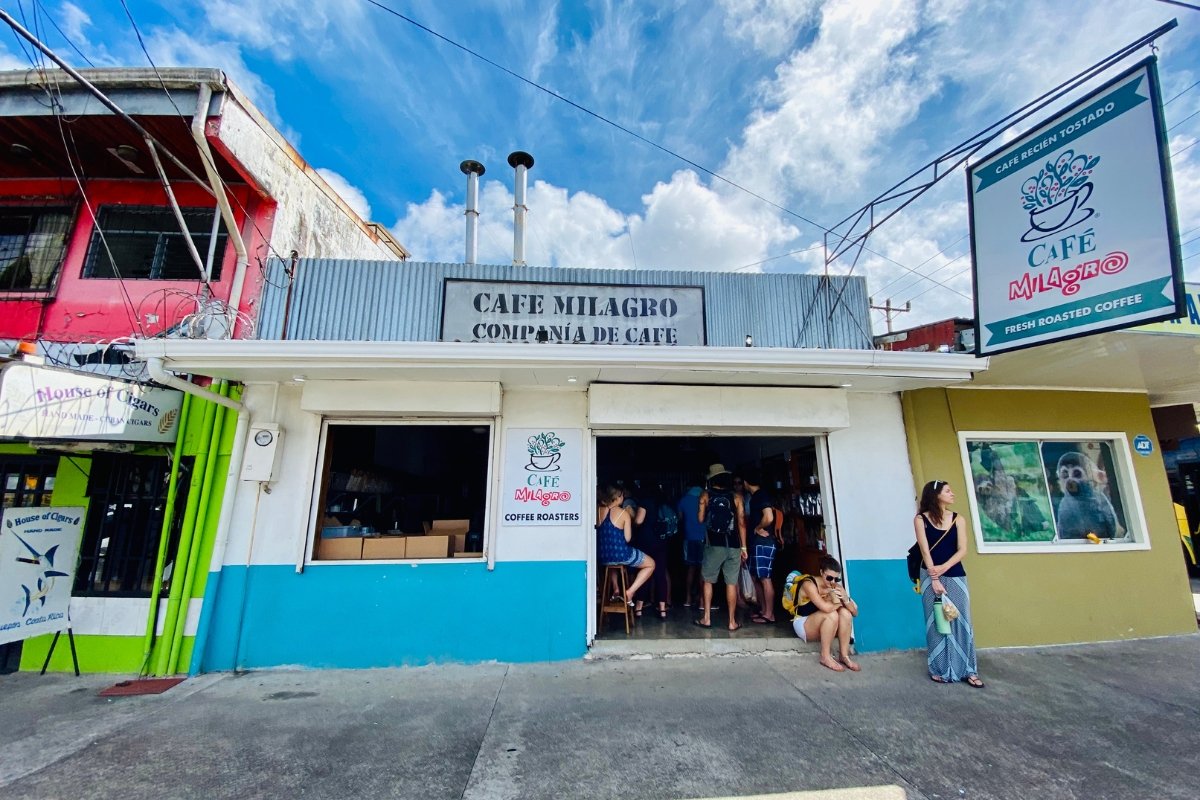
Manuel Antonio is not a town in the conventional sense — it is a stretch of road running from Quepos south to the park entrance, with hotels, restaurants, tour operators, and shops distributed along the hillside above the coast. There is no town center, no plaza, no church square. The organizing principle is the road and the views from it.
This geography creates an atmosphere that is simultaneously relaxed and concentrated. Walking the main road takes twenty minutes. Every significant restaurant, most of the better hotels, and all the essential services for visitors are within that corridor. The pace is unhurried in the way that only a beach town adjacent to a national park can be — the natural world is too present and too insistent for anyone to stay rushed for long.
Quepos, seven kilometers north, is the practical counterpart to Manuel Antonio’s tourism-facing identity. It is a working town with a market, a bus terminal, a marina, local sodas where working Costa Ricans eat lunch, and the kind of authentic community energy that tourist strips rarely capture. It is also home to Cafe Milagro’s roastery — the downtown facility where every bag of coffee served at El Patio and shipped online is roasted.
Visiting Quepos alongside Manuel Antonio gives a more complete picture of the area than the resort corridor alone. The Saturday farmers market, the fish market near the marina, and the local sodas in the town center are all worth the short drive or taxi.
Wildlife Beyond the Park
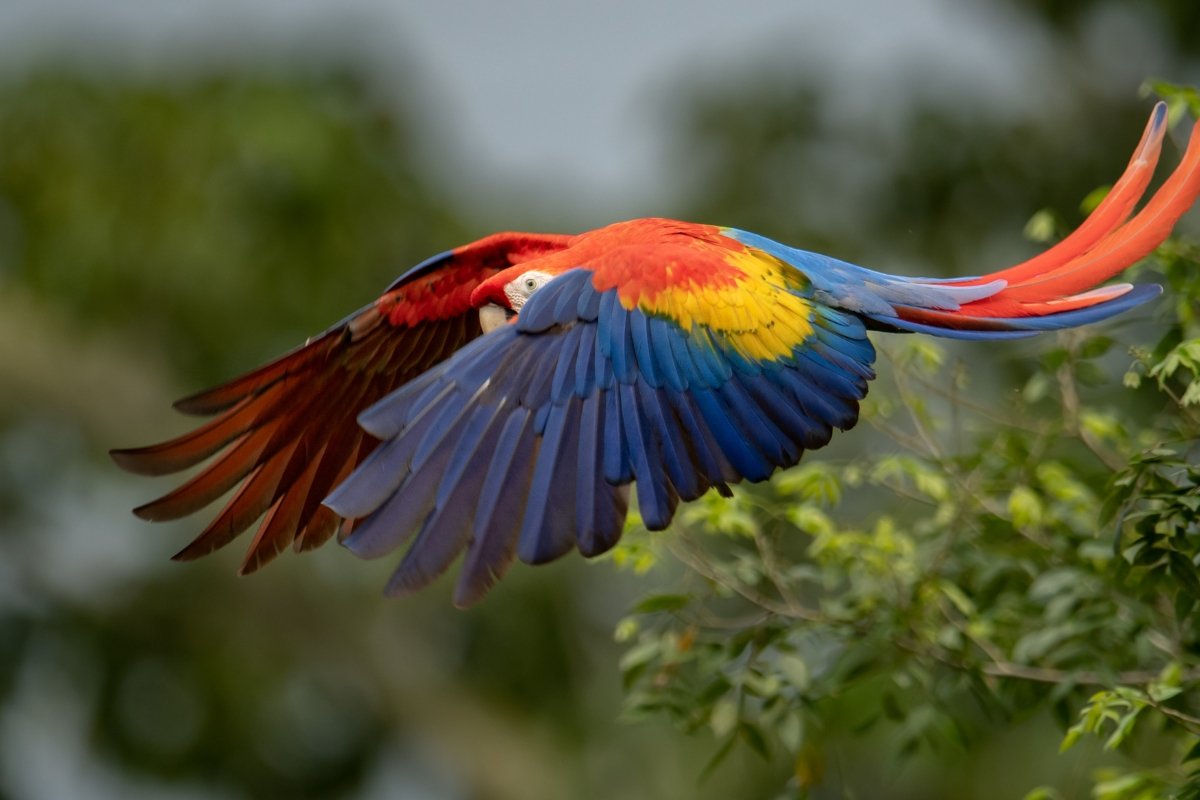
The biodiversity of Manuel Antonio does not stop at the park boundary. The surrounding area — the hotel gardens, the roadside trees, the private reserves adjacent to the park — hosts the same extraordinary cast of wildlife. Sloths are spotted from hotel balconies with regularity. Scarlet macaws fly in loud, colorful pairs over the road daily. Howler monkey calls are a standard feature of the morning soundscape throughout the area.
This is not incidental. Manuel Antonio sits within a broader ecological corridor that connects the national park to the larger protected areas of the central Pacific region, and the wildlife flows freely across those boundaries. Coming here means entering an environment where the natural world is not compartmentalized into designated viewing areas — it is simply present, everywhere, as the default condition.
Beaches Beyond the Park
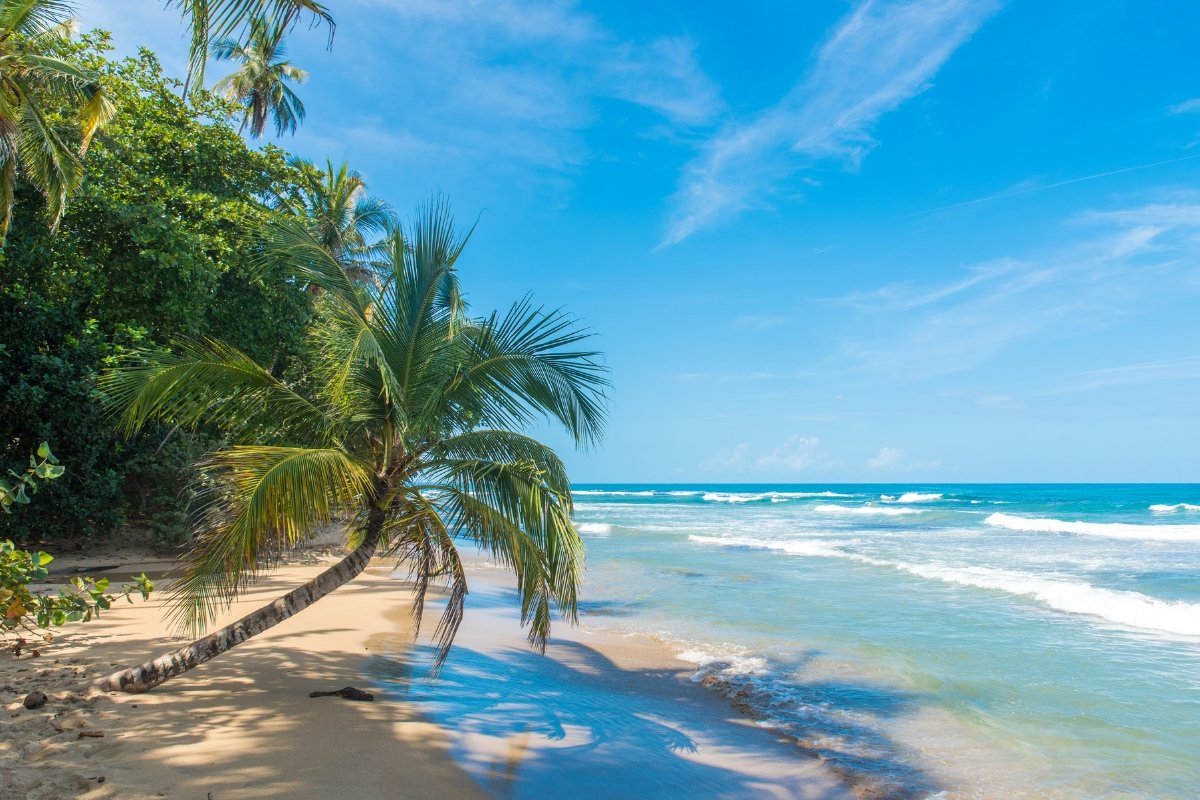
In addition to the beaches inside the national park, the Manuel Antonio area has several public beach options:
Playa Espadilla Norte — the main public beach just north of the park entrance — is the most accessible and busiest beach in the area. It is long, wide, and lined with surf rental operations, food stands, and vendors. It is also subject to stronger surf and currents than the protected park beaches, making it better for surfing or walking than for casual swimming. Exercise caution and watch for posted warnings.
Playa Biesanz — a small, sheltered cove accessible by trail from one of the hotels on the hillside — offers calm water, shade, and relative seclusion. It requires a short hike but rewards with a beach experience that feels genuinely private compared to the busier stretches.
The beaches of the wider Quepos area — including those accessible by boat from the marina — provide additional options for visitors who want to explore beyond the main corridor.
How Many Days Do You Need in Manuel Antonio?
Three to four days is the honest minimum for experiencing Manuel Antonio properly — one full day in the national park, one day for the beaches outside the park and a slower exploration of Quepos, and one or two days for activities, relaxation, and the dining experiences the area offers.
Many visitors spend five to seven days, particularly those combining Manuel Antonio with other Costa Rica destinations (the Osa Peninsula to the south, the cloud forests of the central highlands, or the Caribbean coast via San José). The area rewards time — the pace is designed for it, and the natural world provides something new to notice on every walk.
For visitors with only one or two days, the priority is clear: the national park in the morning, a good meal at El Patio in the evening. That sequence has made a favorable impression on visitors for thirty years.
What to Eat and Drink in Manuel Antonio
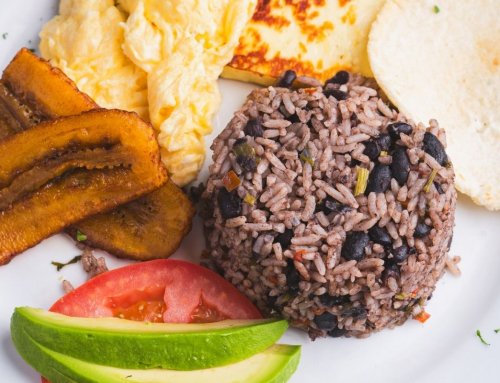
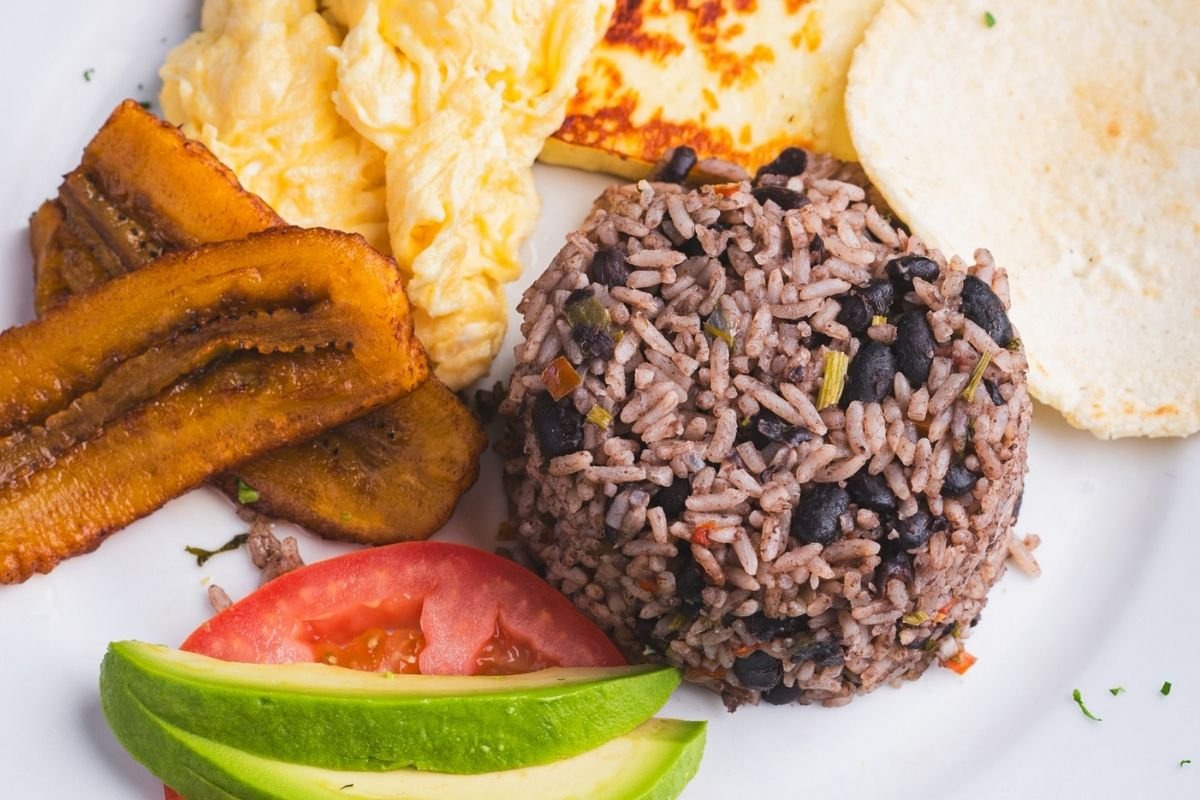
The dining scene in Manuel Antonio is one of the area’s genuine pleasures — anchored in fresh Pacific seafood, tropical produce, and the culinary traditions of a community that has been cooking for locals and visitors for decades.
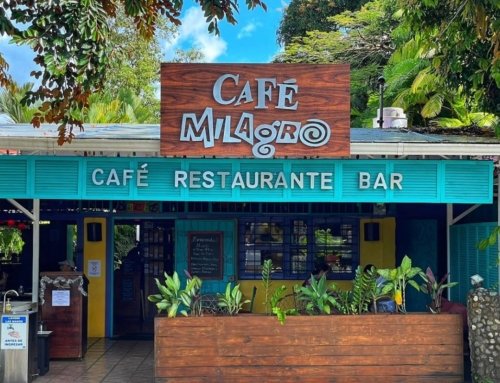
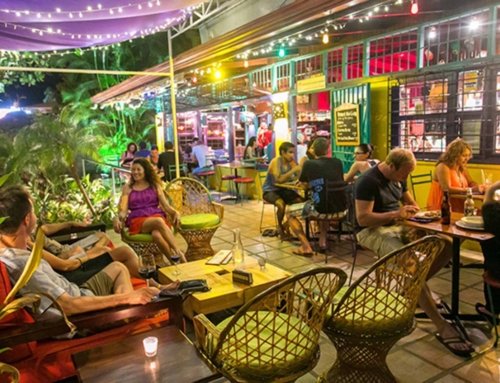
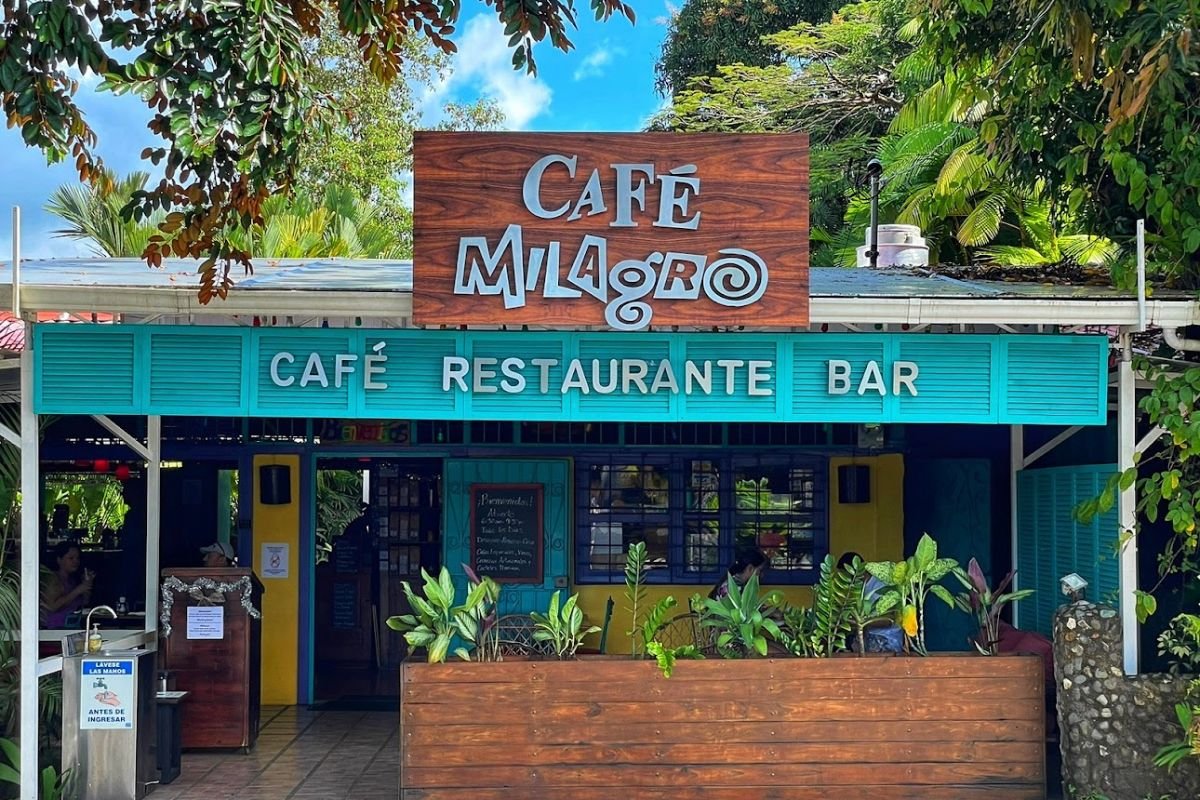
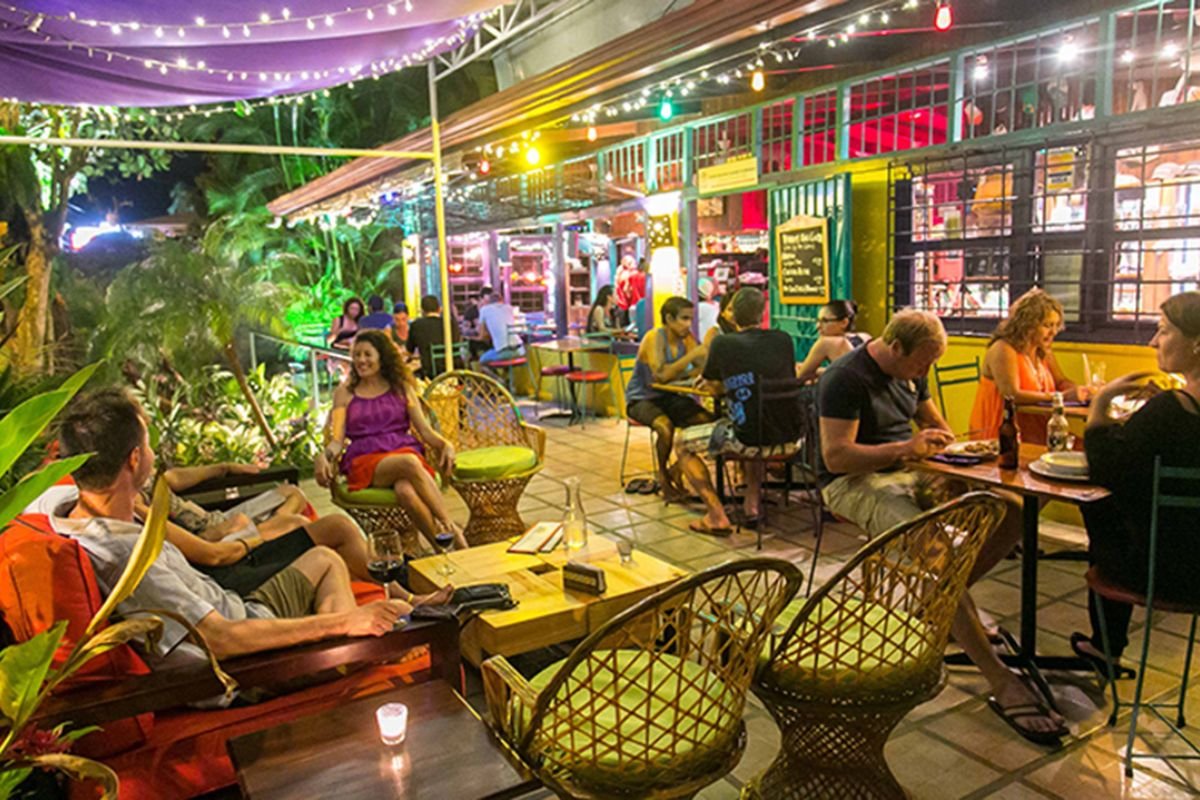
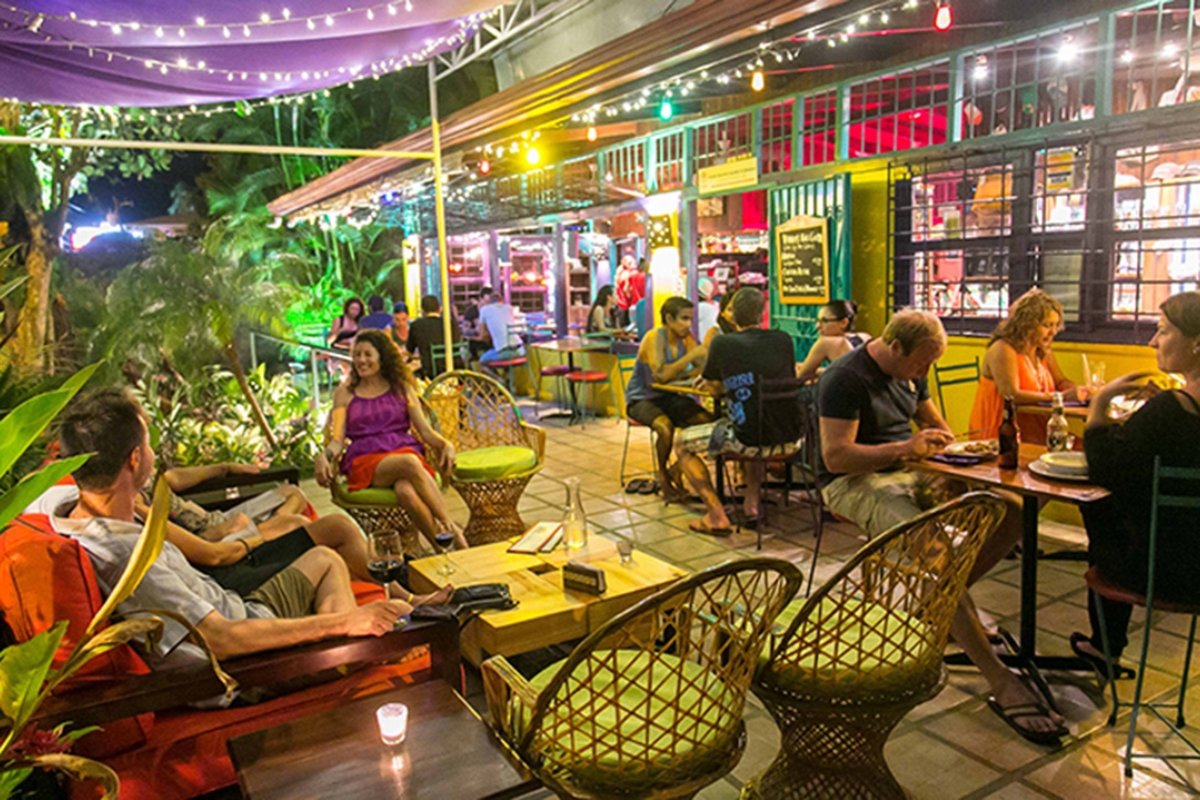
El Patio de Cafe Milagro has been the area’s dining institution since 1994 — an open-air terrace restaurant serving fresh Pacific seafood, traditional Costa Rican preparations, tropical fruit preparations, and a coffee program rooted in thirty years of single-origin sourcing from Cafe Milagro’s Quepos roastery. It is the dinner reservation that returning visitors make first when they book their return trip. Reserve in advance, particularly in high season.
Fresh ceviche is non-negotiable. The corvina ceviche available throughout the area — at the right restaurants — is among the best in Central America. Eat it as close to the ocean as possible, at a place where the fish came in that morning.
Fresh natural juices — frescos naturales — made from cas, maracuyá, guanábana, or whatever tropical fruit is in season are the beverage that best captures the sensory identity of this part of Costa Rica. Order one with every meal.
Coffee. You are in Costa Rica, which means you are in one of the world’s great coffee-growing nations. At El Patio, you will drink coffee from Cafe Milagro’s Quepos roastery — sourced from select farm partners across the country’s premier growing regions, roasted fresh, and served by a team that knows exactly where every bean came from. Order the café chino, the cortado, or ask what single-origin is on pour-over that week.
The dining scene in Manuel Antonio is one of the area’s genuine pleasures — anchored in fresh Pacific seafood, tropical produce, and the culinary traditions of a community that has been cooking for locals and visitors for decades.
Why People Keep Coming Back
Manuel Antonio has been welcoming visitors for long enough that many of the people who come now are not first-timers — they are returning travelers who came once, experienced something that stayed with them, and found themselves booking a flight back.
The reasons people return are not complicated. The park is still extraordinary. The wildlife is still there, behaving as if it has not noticed that humans came to watch. The Pacific is still warm. The produce is still extraordinary. The pace is still what it always was — unhurried, generous, tuned to the rhythms of the natural world rather than the demands of any schedule.
And El Patio’s terrace is still there, the way it has been since 1994, with the jungle pressing in close on all sides and the coffee arriving fresh and the evening light doing what the evening light always does in Manuel Antonio — which is to make everything look like the answer to a question you didn’t know you were asking.
Pura vida is not a slogan here. It is simply the description of what is happening.