
The History of Manuel Antonio, Costa Rica
Last Updated 12 November, 2026
The Short Answer
Manuel Antonio’s history runs from the Quepoa people who first lived on this coast, through Spanish explorers and a banana boom, to a fight by local people who wanted to keep their beaches open to everyone. That fight created Manuel Antonio National Park on November 15, 1972, and turned a quiet stretch of jungle and sand into one of the best-loved places in Costa Rica.
Today you come for the sloths, the white sand and the sunset from the ridge. But every trail and beach here has a story, and some of the best ones start with a cup of coffee.
Who were the first people to live in Manuel Antonio?
The first people here were the Quepoa, an Indigenous group whose name lives on in the town of Quepos. Historians link them to the Brunca (Boruca) peoples of Costa Rica’s southern Pacific. They farmed, fished and traded along this coast long before Europeans arrived, and Spanish chroniclers wrote about the gold of the chiefdom and the fruit and cotton it grew.
Much of Quepoa culture was lost during colonial rule. Their name on the map and their knowledge of this land and sea are what remain.
When did the Spanish arrive in Quepos?
Spanish ships first reached the bay in 1519, but the explorers were turned away and never landed. Over the next decades more expeditions came overland. The meeting the region still tells stories about came in 1563, when soldiers sent by the conquistador Juan Vázquez de Coronado arrived exhausted and hungry. The Quepoa chief, Corrohore, welcomed them with gifts and formed an alliance.
Corrohore wanted something in return. A rival people, the Couto, had taken captives, including the chief’s sister, Dulcee. After a failed first attempt, the Spanish and the Quepoa won her release. It’s one of the most vivid stories of early colonial Costa Rica, and it happened on this stretch of coast.
How did bananas build the town of Quepos?
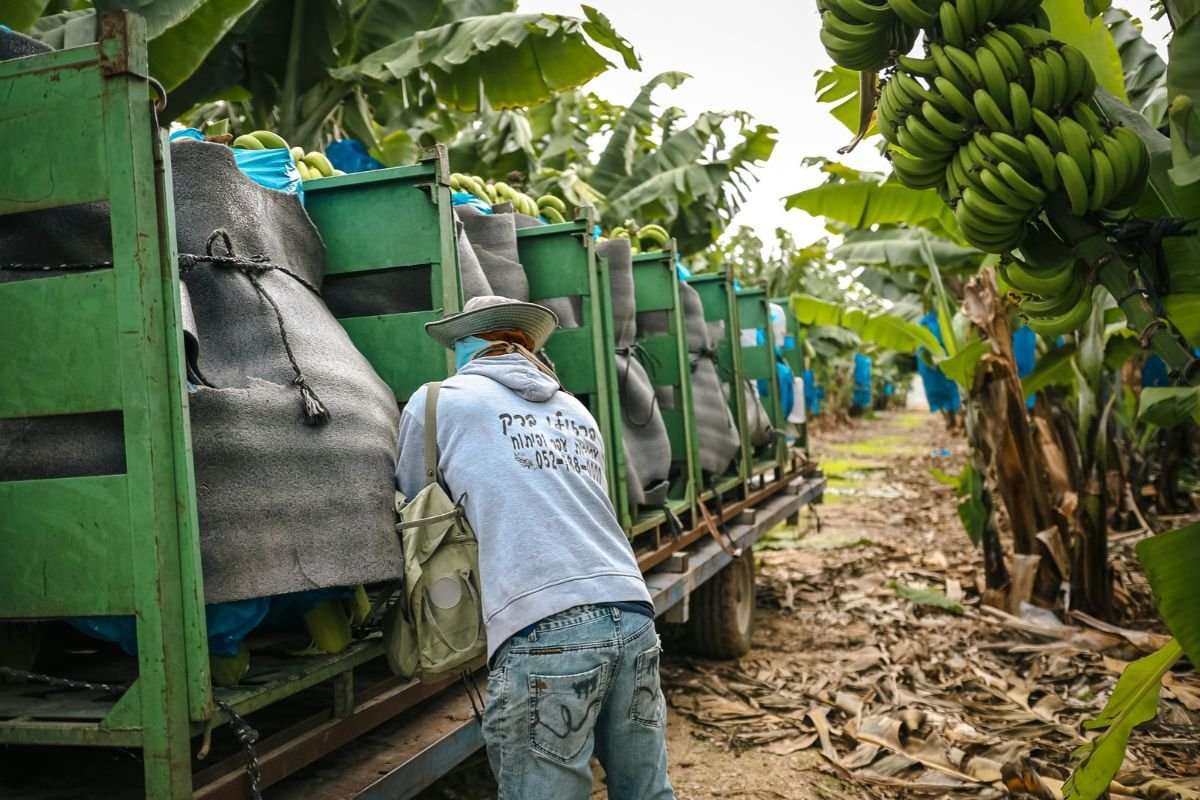
For centuries this coast stayed quiet. That changed in the 1920s, when a German immigrant named Agathon Lutz started planting bananas near what is now Quepos and built a simple wooden dock. By 1926, fruit from here was shipping to San Francisco and Vancouver.
In the 1930s the United Fruit Company bought the operation and made Quepos one of its main Pacific ports. The company cleared mangroves, built the downtown on landfill, laid railroad track and opened a new dock in 1939. Managers lived in the “American Zone,” whose wooden houses on stilts still stand near the marina. Workers came from all over Costa Rica and from Nicaragua.
The boom didn’t last. Severe floods in the mid-1950s wiped out the plantations, and blight and labor disputes finished the job. The last bananas shipped around 1956. In their place came African oil palm, the neat green rows you still see along the coastal highway today.
Who was Manuel Antonio?
No one knows for sure, and that’s part of the charm. No historical record confirms who he was, but there are three favorite stories:
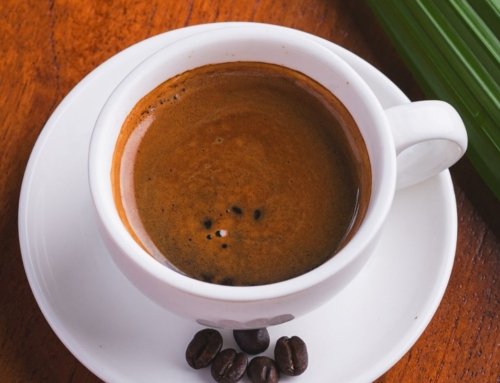
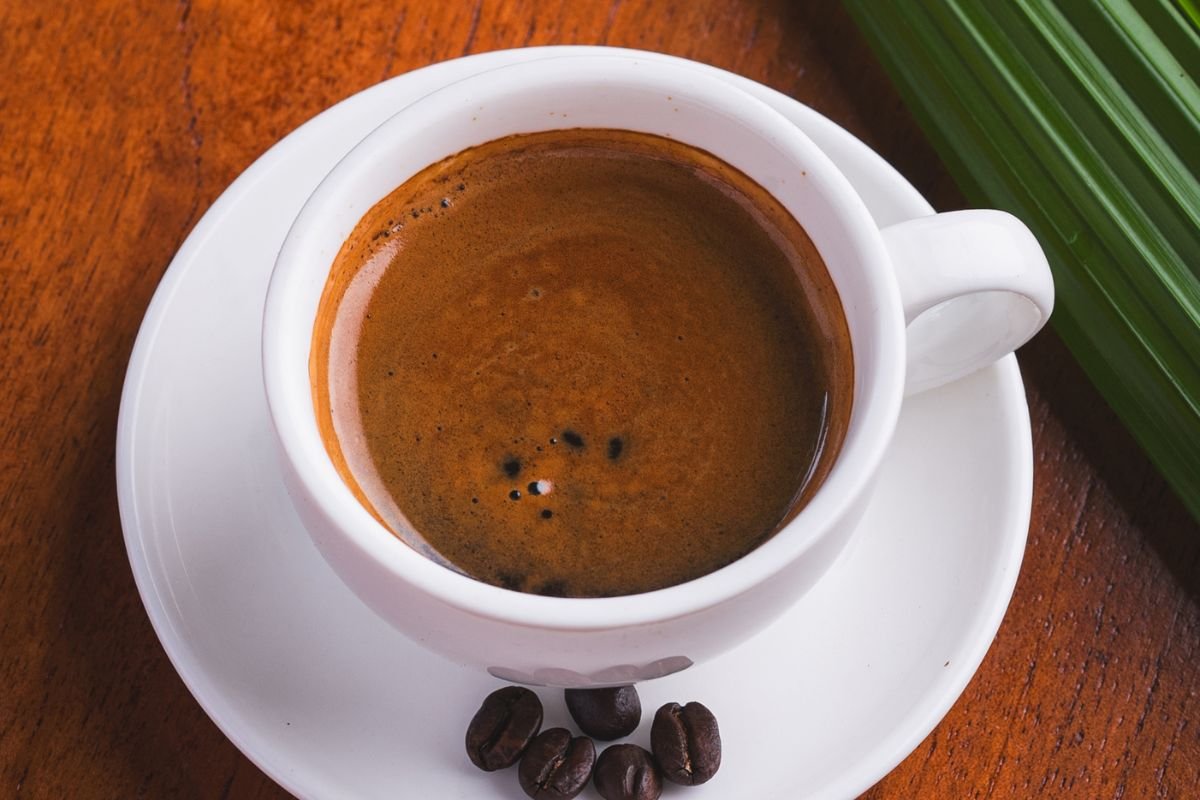
- The coffee seller: The account told most often dates to the 1930s. Quepos was a banana town then, and families hiked through the jungle to reach the beaches south of town. An old man named Manuel Antonio sold water and coffee to the weekend visitors. “Let’s go see Manuel Antonio” became how locals talked about a beach day, and the name stuck.
- The lone settler: Some park guides say the name came from a solitary man who was always living there when families came to scout the land for banana farming.
- The conquistador: A more dramatic legend claims Manuel Antonio was a Spanish soldier buried here, but no record of such a person exists.
We’re partial to the coffee seller ourselves.
Why was Manuel Antonio National Park created?
The park exists because the people of Quepos refused to lose their beaches. By the 1960s the land had passed into the hands of foreign owners, who fenced it off, hired guards and used dogs to keep locals out of places their families had enjoyed for generations.
The town pushed back. In 1971, young people from Quepos tore down the main gate. When it was rebuilt, they tore it down again the next day. Local leaders drafted a declaration to make the land public, lawmakers backed them, and on November 15, 1972, Manuel Antonio National Park was established, permanently protected and open to all.
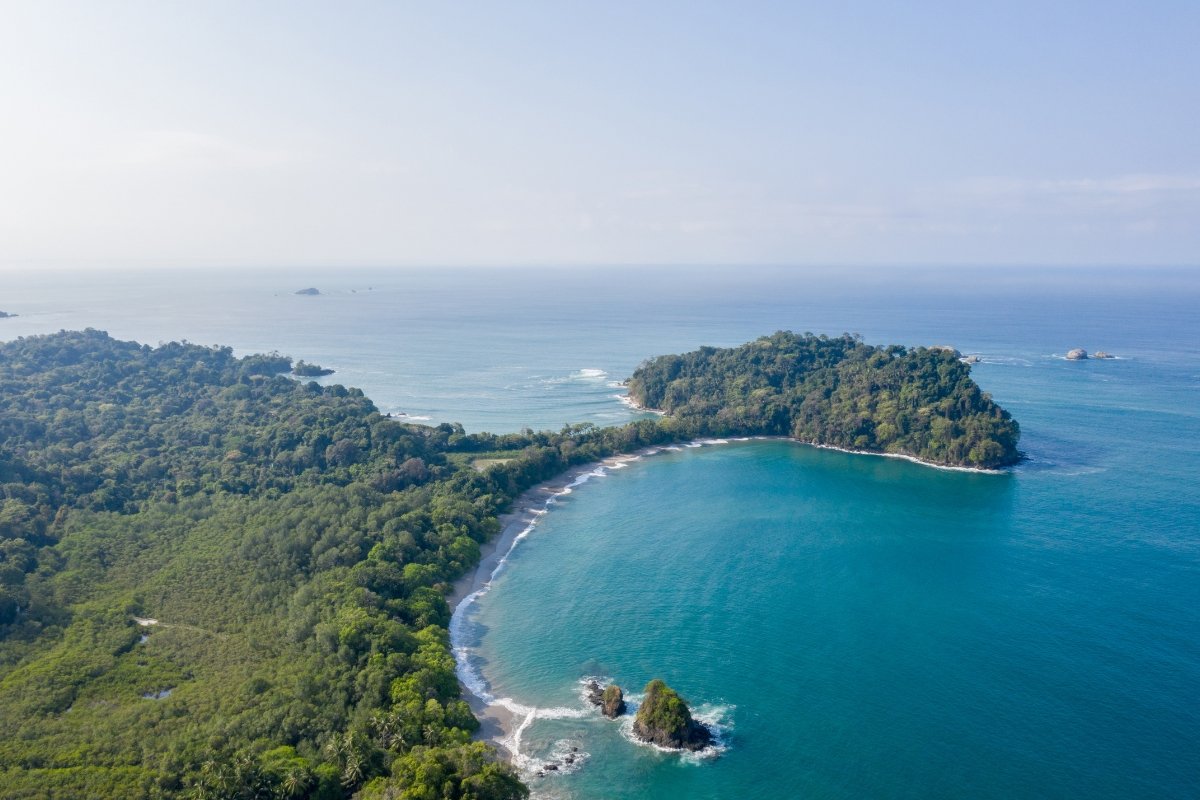
It began as one of Costa Rica’s smallest national parks. In 2000 it grew with the addition of a stretch of coastline called Playa Rey. Today it protects rainforest, beaches and a large marine area, and it’s often called an achievement of the people rather than of the government.

How did Manuel Antonio become a tourist destination?
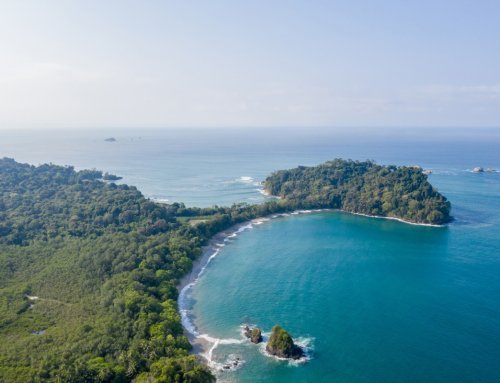
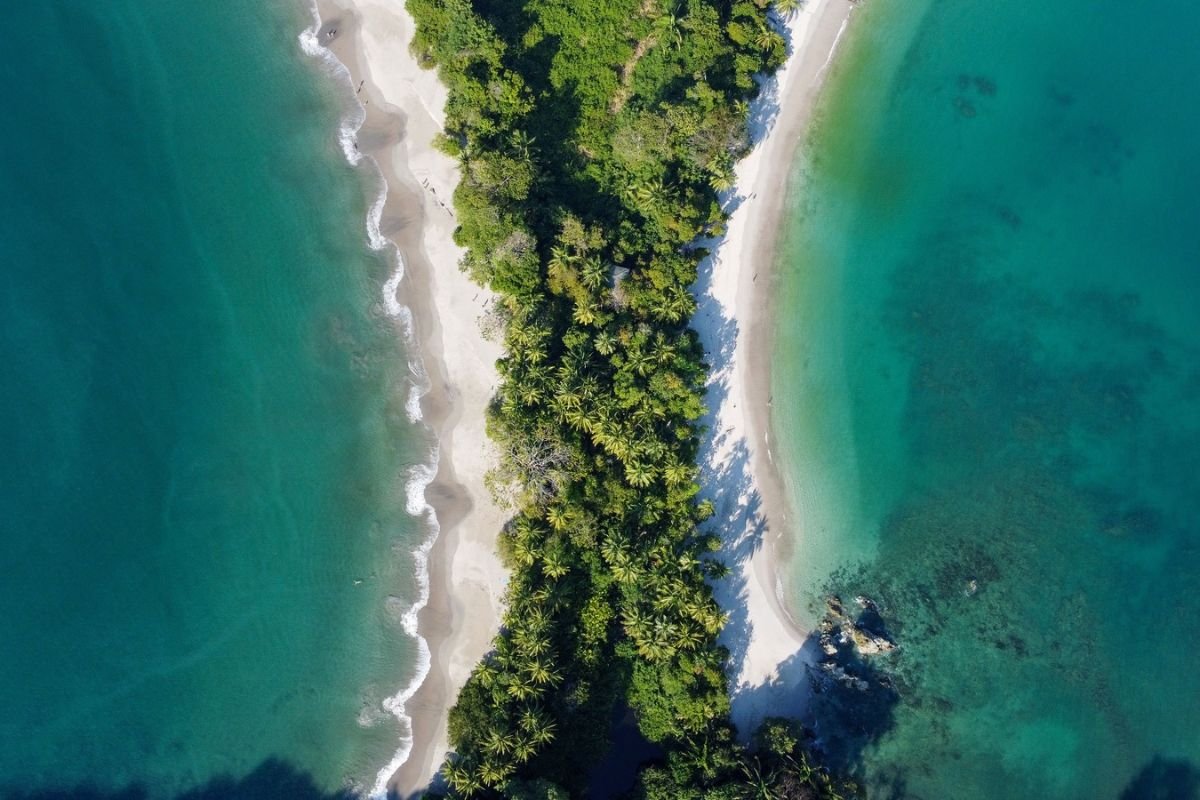
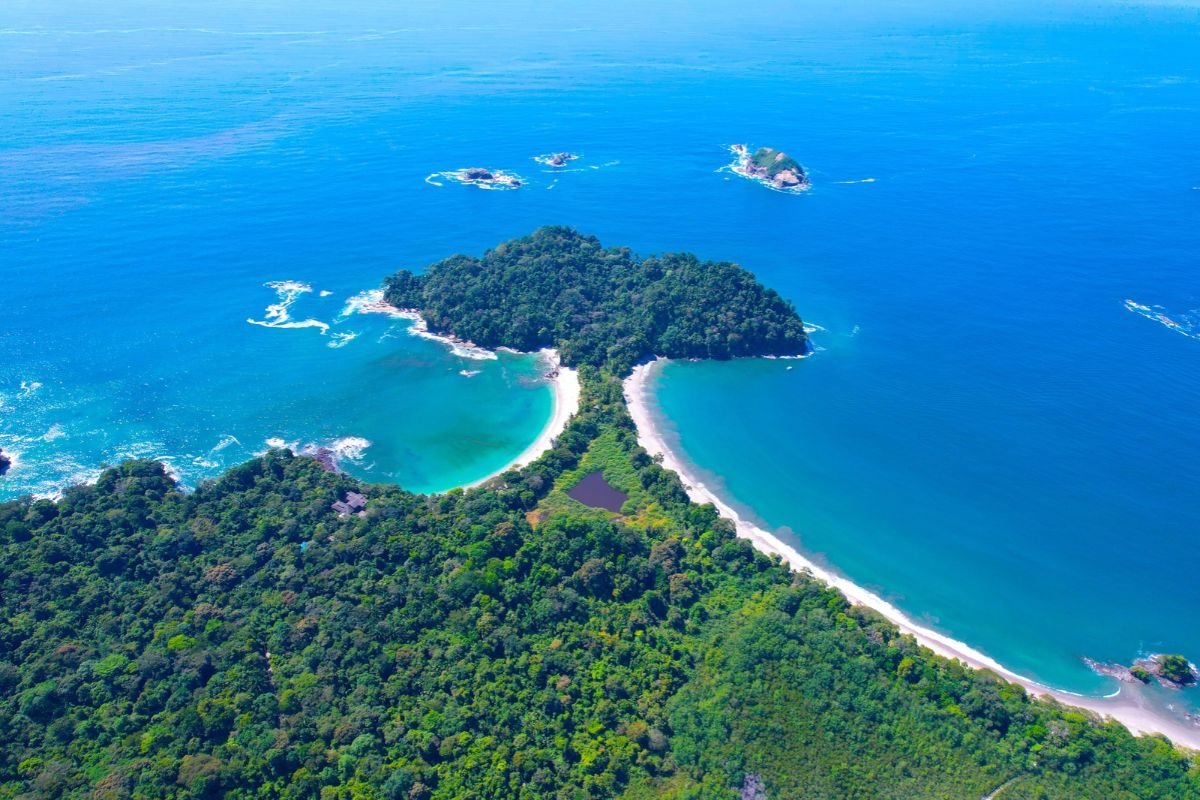
Because the park now protected the beaches, the road from Quepos was built along the ridge above them, and that ridge became the town of Manuel Antonio. The first hotel opened in 1973, just a year after the park. More followed through the 1980s and 1990s as travelers discovered monkeys in the treetops, white-sand coves and the famous tombolo, the sandbar that links Punta Catedral to the mainland.
From about four restaurants in the early days, the ridge now has dozens, and the park has become the most visited in Costa Rica.
Where does El Patio de Café Milagro fit in?
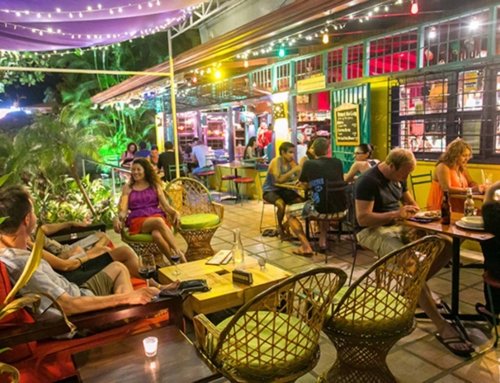
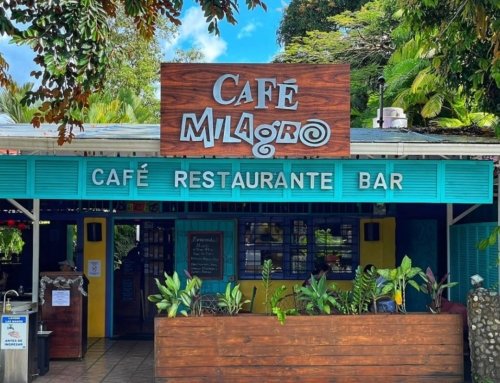
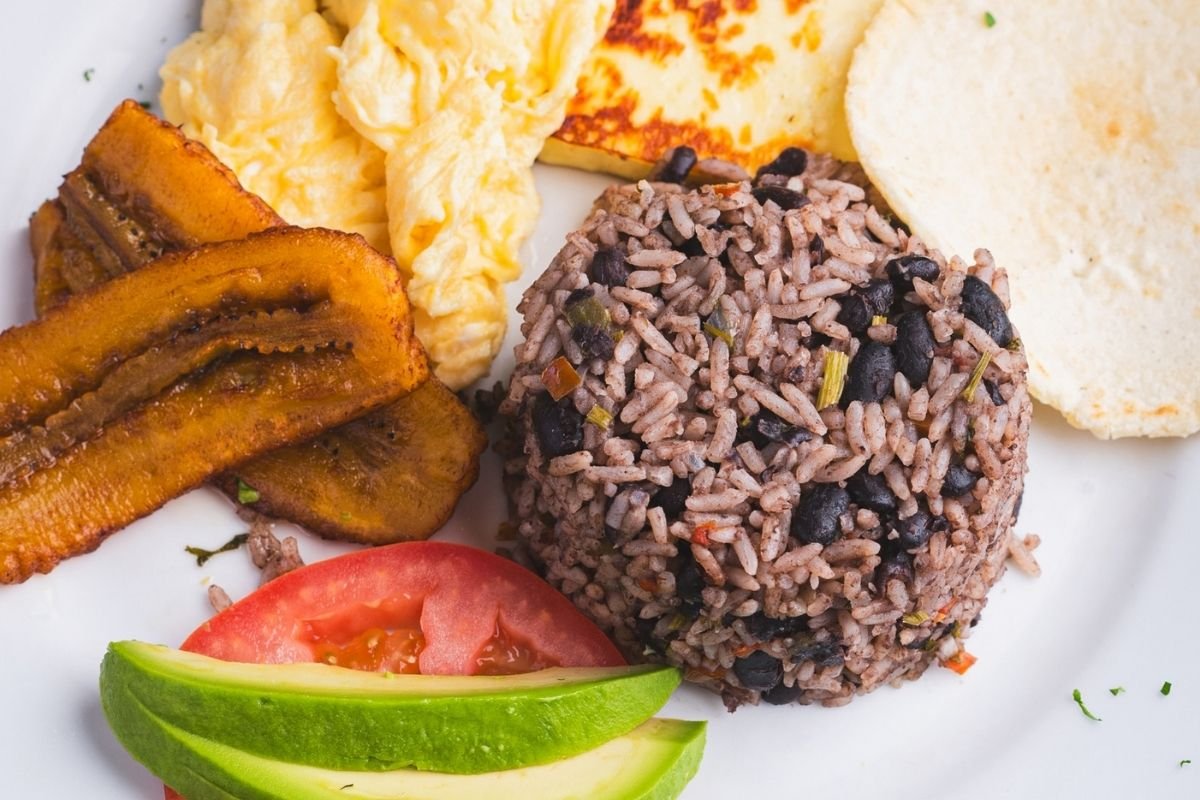
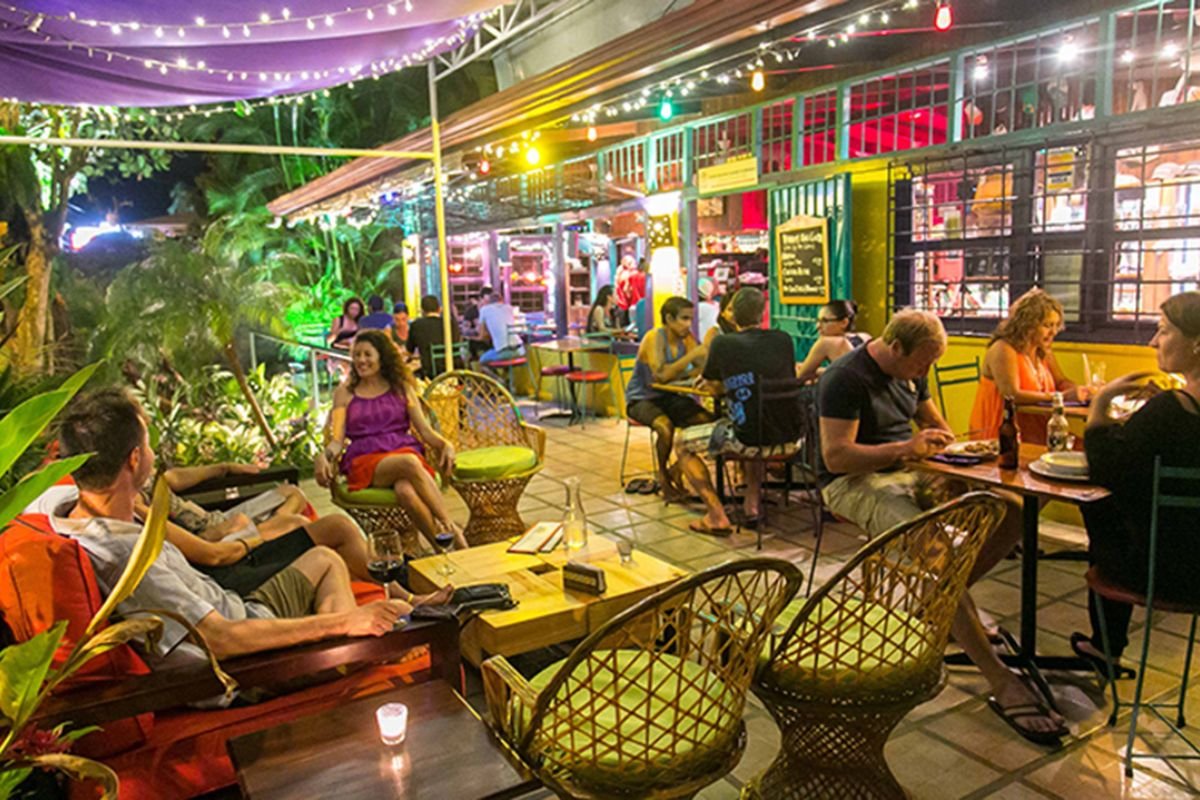
We opened our doors in 1994, when Manuel Antonio was still a small, sleepy road to the beach. We roasted our coffee in Quepos, where the banana boats once loaded, and we served it to anyone on their way to the park. More than 30 years later, we’re still doing the same thing, with breakfast from 6:30am, live music every night and coffee roasted down the road.
If the old story about the coffee seller is true, we like to think we’re carrying on a tradition.